Sundarbans Across Borders: The Spirit of Cultural Resilience is designed to explore the interplay of culture, living heritage and climate change resilience in the Sundarbans region spanning Bangladesh and India. The initiative delves into the distinctive lens of how these two countries approach life and living in the region, decoding common cultural connections and unique practices that define life in this ecologically sensitive area.
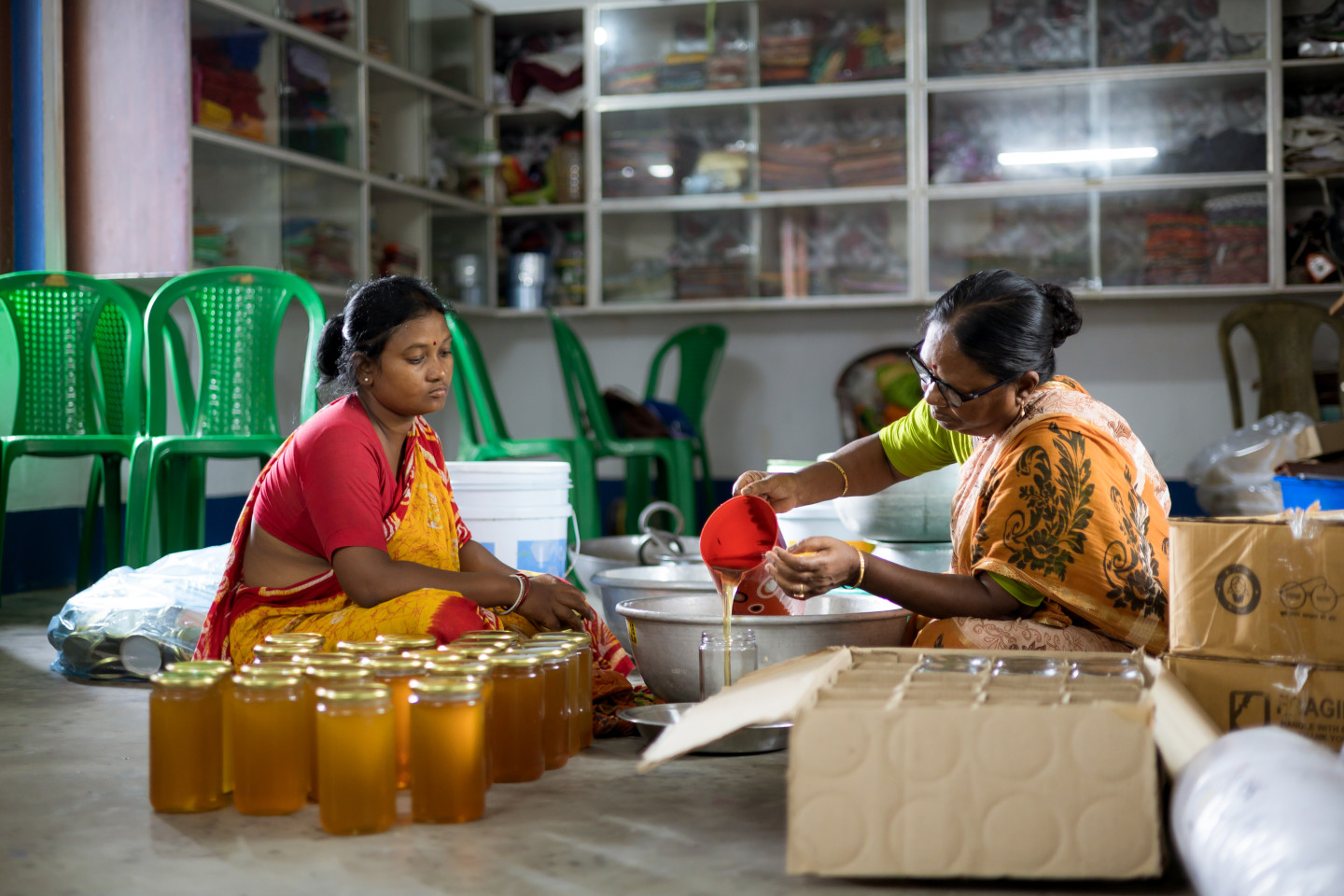
The project focuses on the unique culture of the collectors around the mangrove wild forest honey. Influencing factors such as respect for the forest goddess "Bonbibi", the movement patterns of the harvesting methods, religious and musical reflections in the lifestyle are recorded, with a special focus on women’s role in sustaining and perpetuating indigenous knowledge and cultural practices, fuelling local economies and engaging in environmental stewardship. The aim is to preserve and showcase the unique identity of Sundarbans people and to shift the narrative from challenges to resilience. Through collaboration with local artists the project will blend tradition with contemporary art forms and create visual representations that bridge the gap between tradition and modernity. Local statistics, visuals and personal stories connect the global challenge of climate change to the local reality. Innovative solutions and adaptive strategies implemented by the Sundarbans community are highlighted.
This project has provided an extraordinary lens into one of the Sundarbans' most vital yet overlooked dimensions: its people and their living cultural heritage. While the honey collector communities along the Maloncho River share a common landscape and livelihood, our work reveals a landscape of striking contrasts in their myths, rituals, and beliefs.
Hasib Zuberi Shihan, Founder & CEO, Team Platform Ltd. (Bangladesh)
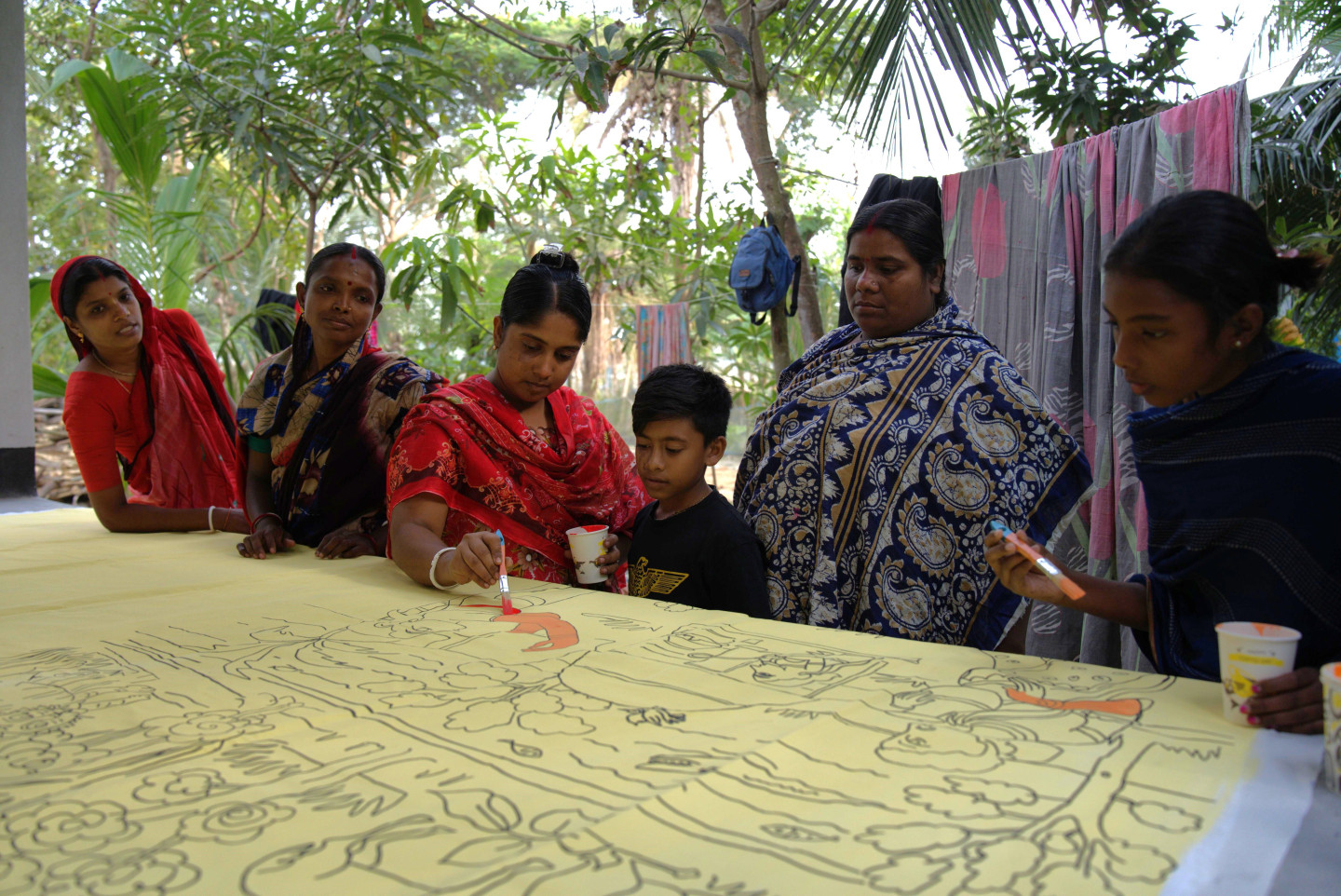
Between February and April 2025, academic project partners from Bangladesh and from India conducted independent but closely coordinated background analyses on the management of mangrove forest honey and the associated cultural and social aspects, based on secondary data research. Similarly, in May and June 2025, the partners conducted a field study in which the realities of life of selected residents of the Sundarbans were recorded in video interviews using social science methods, critically analysed and summarised in a report. The scientific results were processed between July and November 2025 and ‘translated’ into an accessible narrative, which will be published in book form. Parallel to this literary ‘translation’ of the research findings, a preparatory phase took place in September, during which several site visits were conducted in selected village communities in the Sundarbans to identify potential participants for the artistic interventions. Together with these identified cultural practitioners, the cultural project partners Team Platform (Bangladesh), Jana Sanskriti Centre for Theatre of the Oppressed and Food Studio (India) pursued the project goals in October and November 2025 using artistic means in the form of workshops, jointly created works of art and performative productions. The results will be presented in December 2025 in Kolkata and Dhaka, as well as in the participating communities of the Sundarbans themselves, in the form of exhibitions, films, performances and readings.
The 'Spirit of Cultural Resilience' is perhaps most fiercely embodied by the women of the Sundarbans. While men face the tigers, women fight a silent, daily war against the rising salinity that poisons their bodies and dissolves their homes. Our findings emphasize that any future for the Sundarbans must prioritize the health and economic empowerment of these women, who are the backbone of this fragile delta.
Tahajibul Hossain, Assistant Professor, Bangladesh University of Engineering & Technology (Bangladesh)
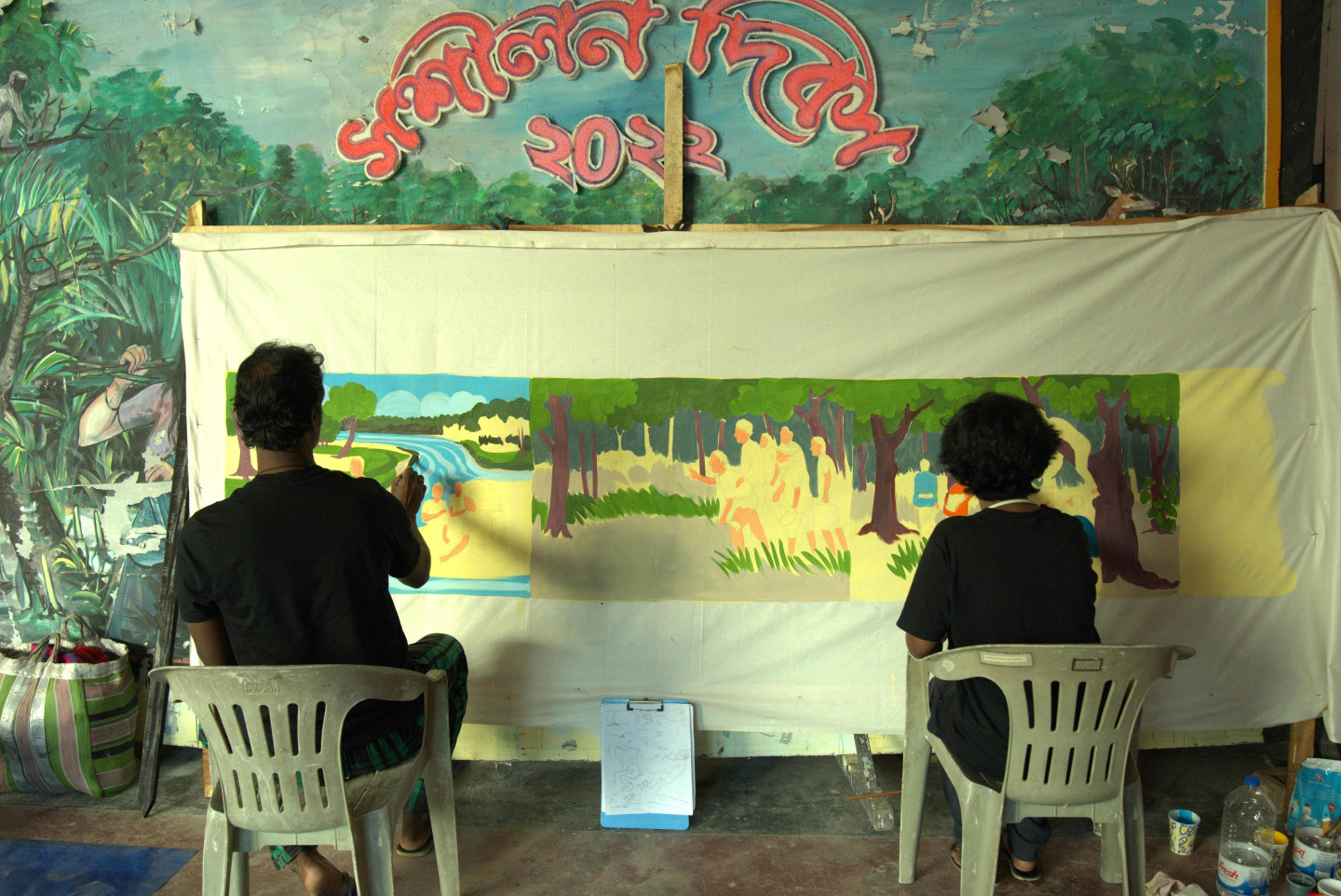
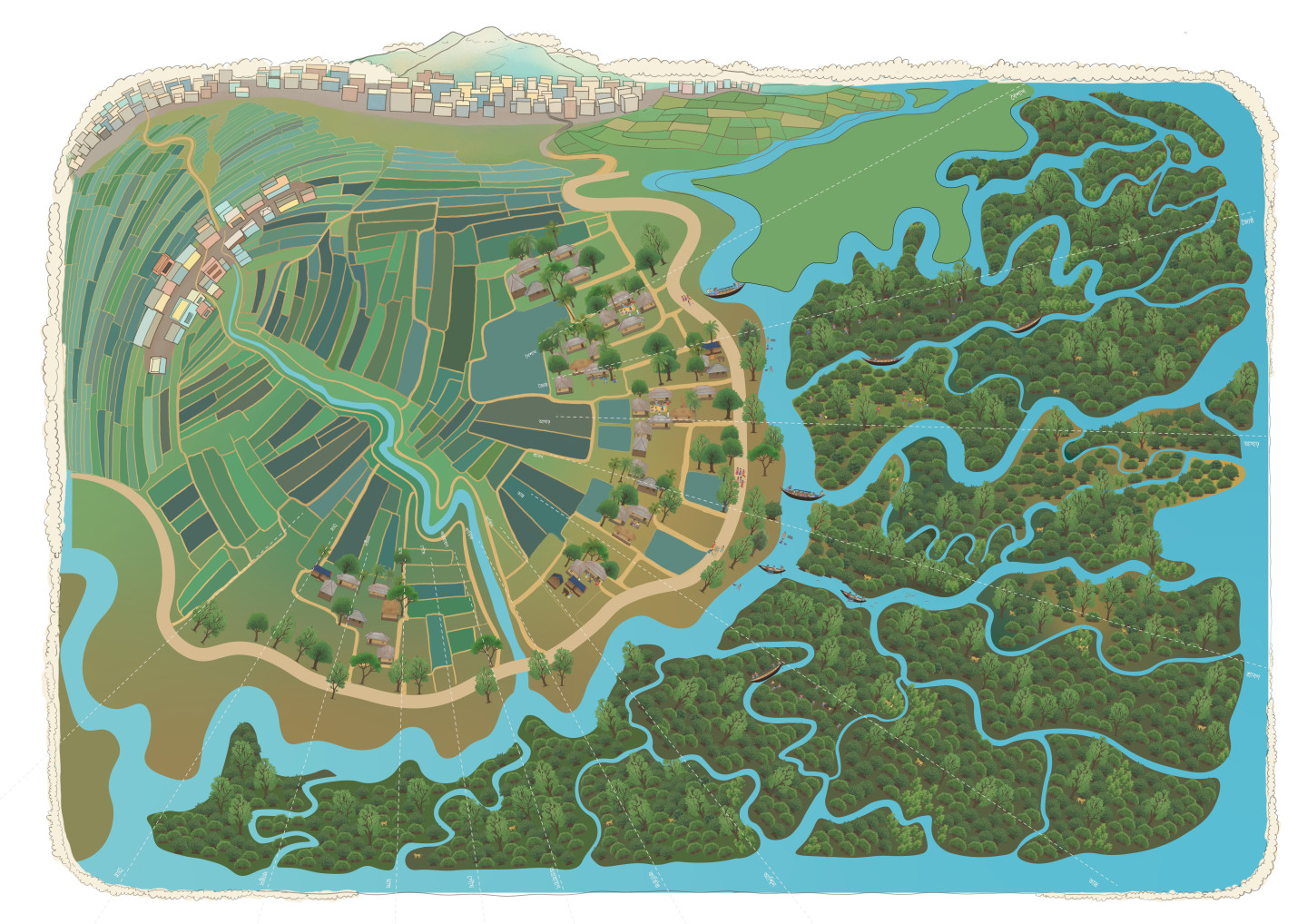
The project has given the Sundarbans a voice of their own and greater visibility in the major urban centres of Kolkata and Dhaka. It safeguarded the Intangible Heritage through the publication titled “The Saline Quest for Honey” which establishes a permanent cultural archive, preserving the fading oral traditions, syncretic rituals (from Bonbibi to Milads), and the unique dialect of the forest communities. Tribute was paid to the traditional Gazir Pot scroll-painting style by applying it to architectural mapping, proving the relevance of this indigenous art form in contemporary spatial storytelling. A digital library of video interviews preserves the voices of the Mouals and Mundas, capturing the emotional and linguistic nuances of their "Bada" identity. A Transboundary Cultural Dialogue was initiated via exhibitions and film screenings in Dhaka and Kolkata, reconnecting the fragmented heritage of the Bengal Delta through shared stories and artistic expression. The events held leave behind a legacy of climate optimism, artistic innovation and sustainability.
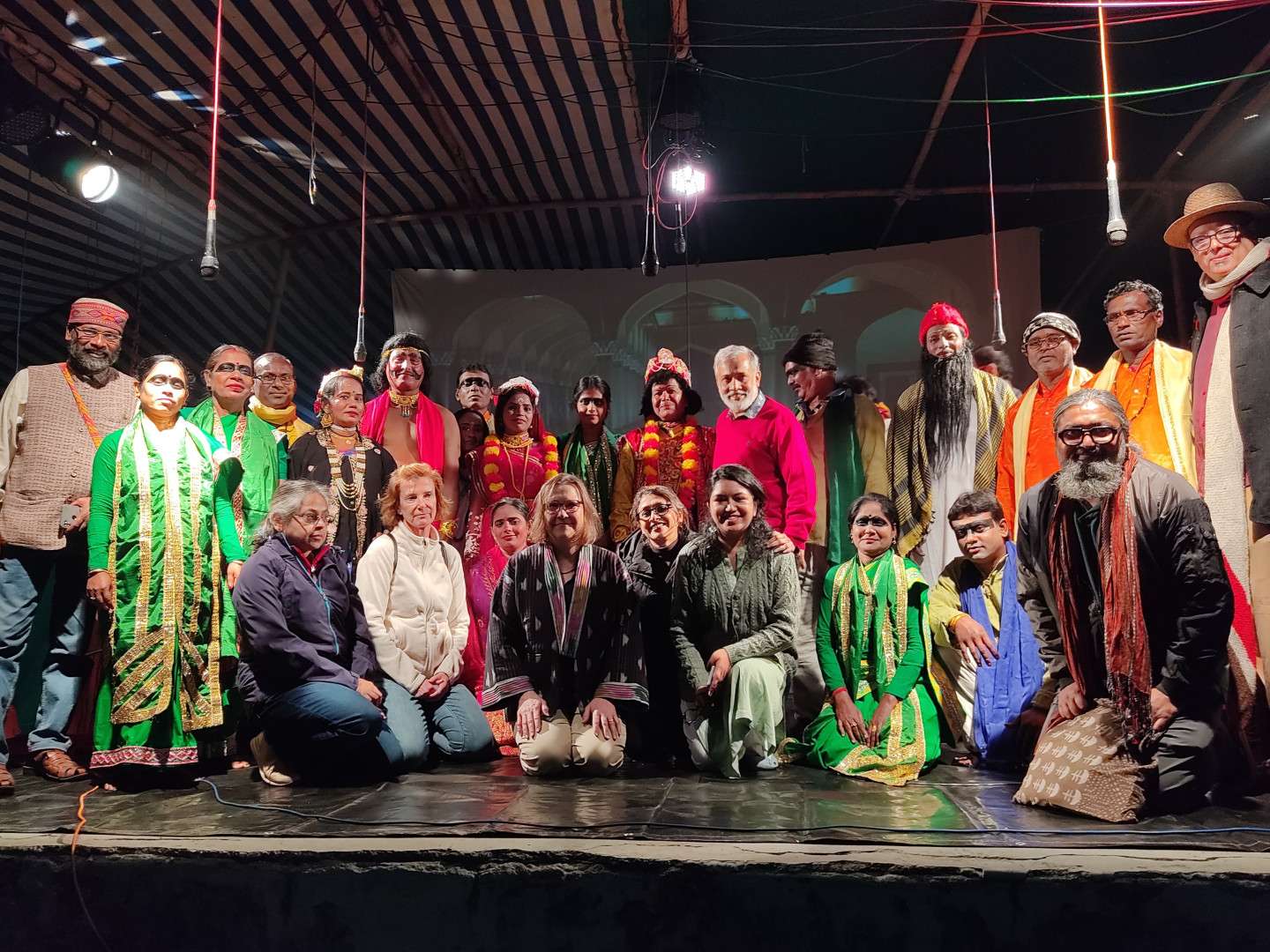
In Gosaba, working with the Bon Bibi Pala artists reminded me that tradition is not a museum piece - it breathes, it evolves. Watching Hindu performers embody Muslim characters with such ease, such dignity, I felt again how culture can hold unity far more naturally than politics. And in the forest stories, where humans become protectors rather than masters, I recognized a philosophy we desperately need today. We did not modernize their form; the form modernized us, simply by teaching us how deeply aesthetics and ethics can be woven together.
Sanjoy Ganguly, Director, JanaSanskriti (India)
The Kolkata Cluster will suggest “Bono Bibir Pala”, an endangered traditional art form, as a possible candidate for UNESCO Intangible Cultural Heritage recognition and is actively set up meetings with the West Bengal Culture Department to this end.
The Dhaka Cluster aims to institutionalize the "Spirit of Cultural Resilience" by securing recognition for the Sundarbans' forest-dependent lifestyles as a protected Intangible Cultural Heritage, thereby ensuring that the community's identity is central to all future conservation and development frameworks.