Voices Across Time is a public initiative on the dignity of life with particular attention to the situation and challenges of elders. The first of its kind in China, it employed a variety of cultural expressions to illustrate the experiences, needs, and social contexts of old people in China and in European countries.
An Unconventional Topic For Cultural Exchange
As China and Europe face demographic challenges with ageing populations, there is a room for an intercultural reflection on how to empower senior citizens and present alternatives to the stereotype of them as dependent and vulnerable. The Chinese context with its Confucian concept of filial fidelity provides a unique backdrop and accentuates the need for a cultural exchange that can build inclusion, and make the elderly feel recognized and valued.
All lives are equal when facing the inevitability of ageing and death, regardless of nationality, political position, or gender identity. (...) It has reaffirmed my conviction that certain thing are worth holding onto and continuing, no matter the circumstances.
Pu Xiaoyue, participating artist, based in Beijing
Voices Across Time is conceived as an awareness campaign for combating ageism and dismantling age-related prejudice. Through the lens of contemporary art, the various programs introduce sustainable alternatives to the traditional, rather family-dependent approach by emphasizing the critical importance of care and caregiving, and advocate for recognizing the value of intergenerational support, and connection in the silver economy. The aim of the initiative is to authentically address the beauties, prides, and existential realities of the elderly in different social and cultural settings.
Championing visibility and rights of older citizens
Voices Across Time hosted a broad program of different cultural expressions. The main highlights and flagship initiatives were:
-
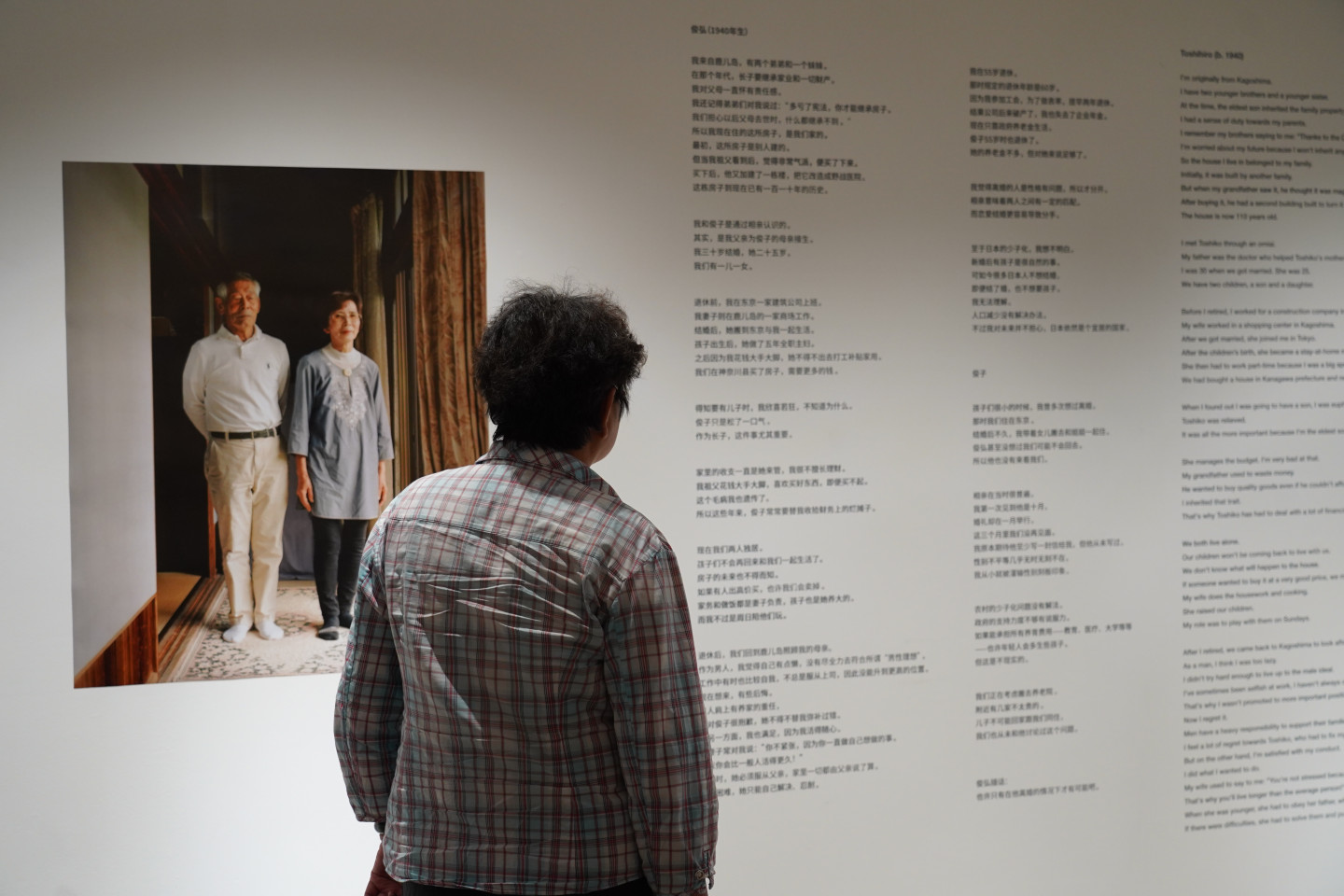
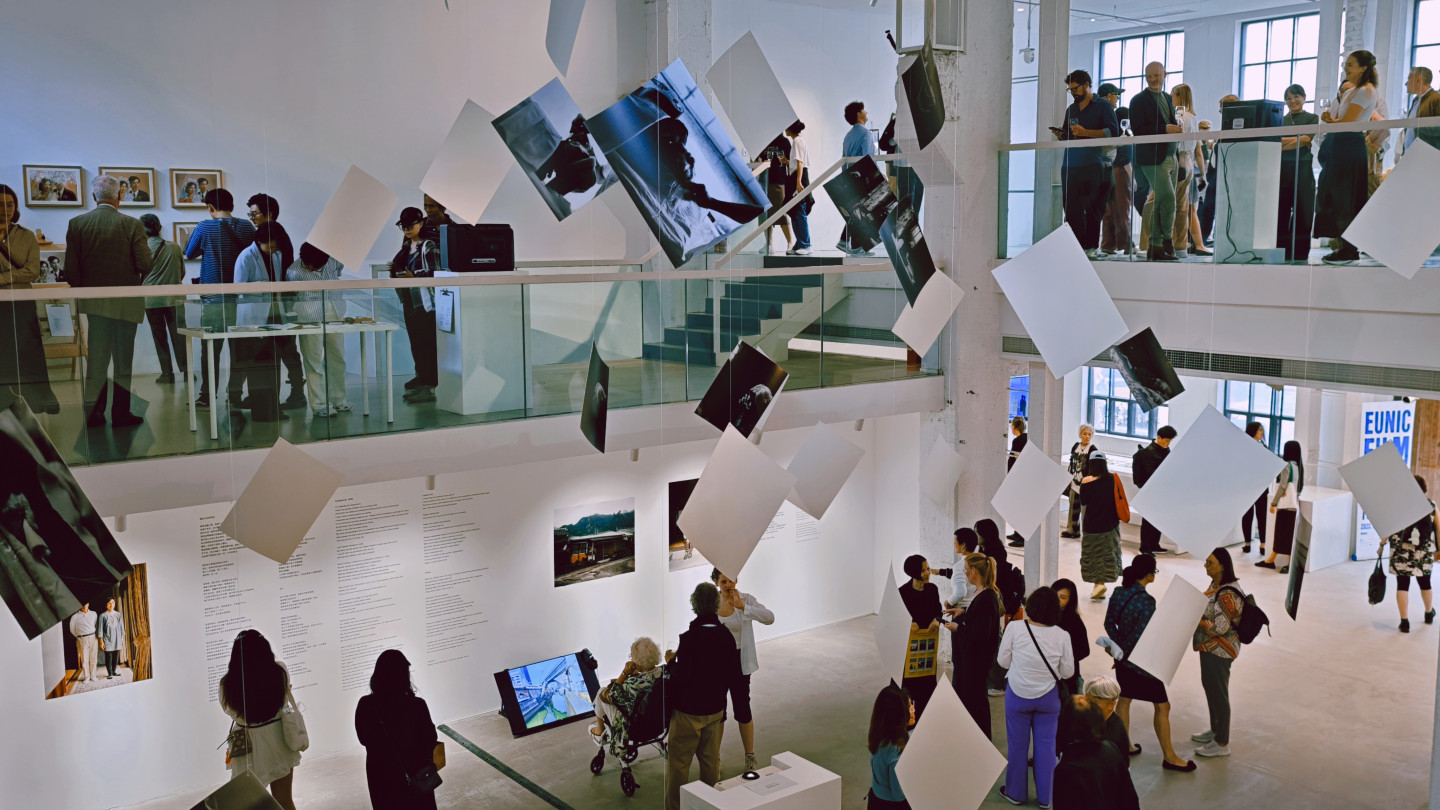
A nine-week long exhibition titled "Do Not Go Gentle Into That Good Night", which explored themes of ageing and memory, resonating deeply with the public and fostering a sense of collective introspection about getting older. The exhibition attracted more than 35,000 visitors and its success caused an extension of the exhibition for another four weeks.
-
A series of talks and dialogues accompanied the exhibition and served as a platform for a diversity of voices for cross-generational opinions and different perspectives. The sessions were all kicked off by experts and artists and the subsequent discussions with the attendees helped shift perceptions of what it entails to getting older. Not only about challenges and opportunities, but in particular also how children and family can prepare for their relatives’ decline in emotional health and mobility.
-
the presentation of 21 contemporary European films under the headline "Ageing Together”. It featured 31 screenings at multiple public and diplomatic venues and received enthusiastic participation from a broad spectrum of people. Each screening included talks with invited academic or cultural experts which not only boosted the lively exchanges, but more importantly also helped people grasp the scope of the final stage of life from a non-Chinese point of view. Due to the massive success, some of the films were screened twice just as the program was extended to other provinces.
-
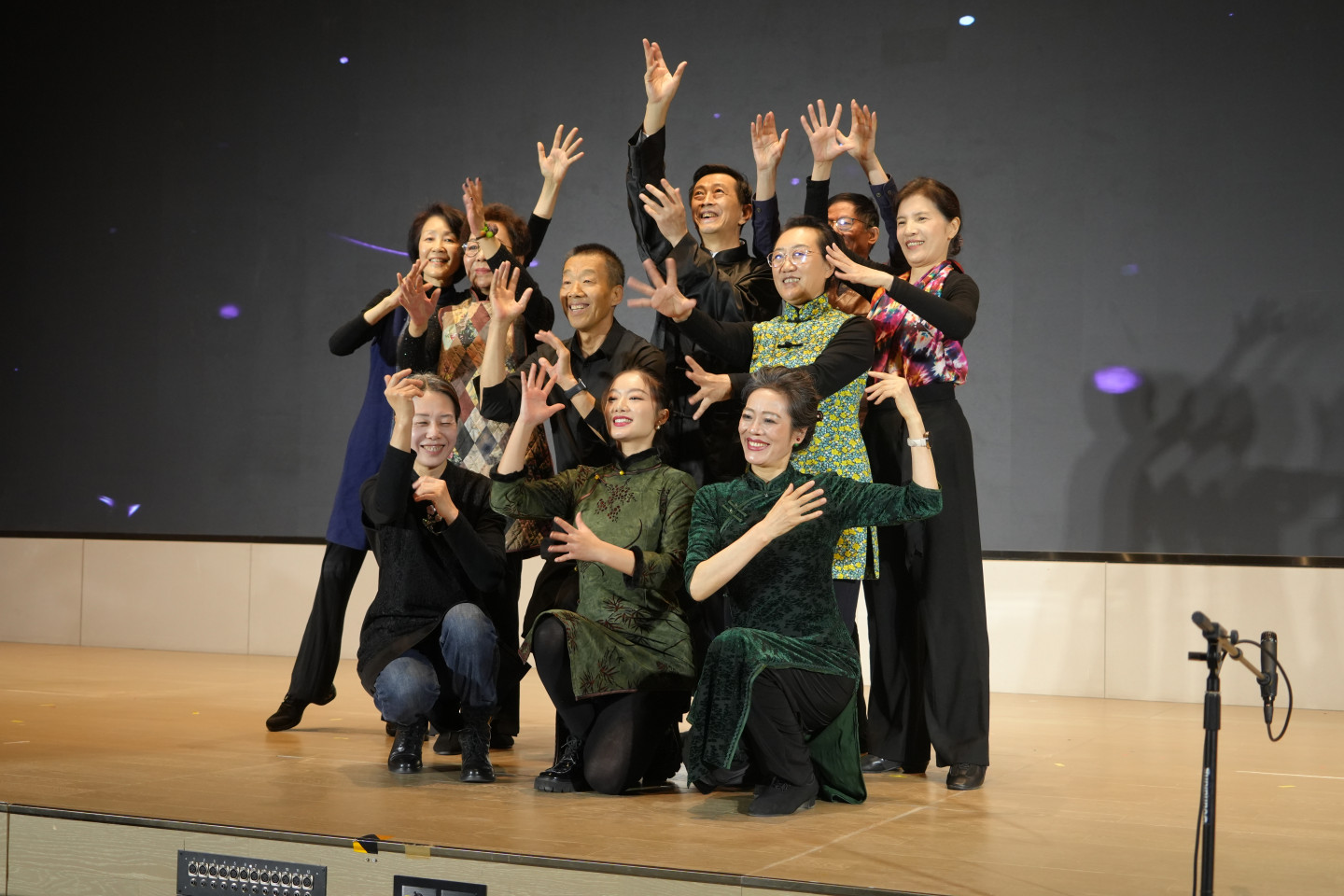
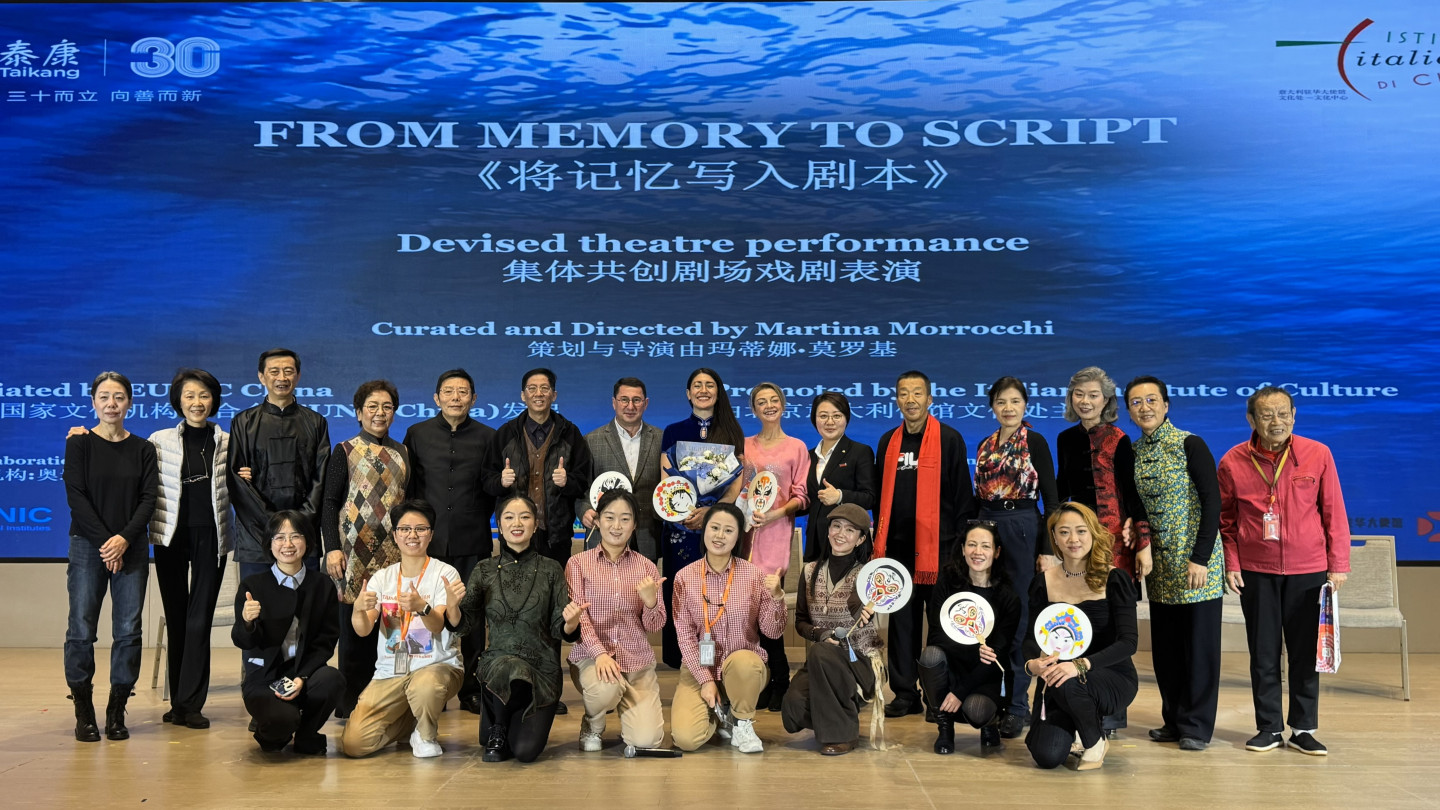
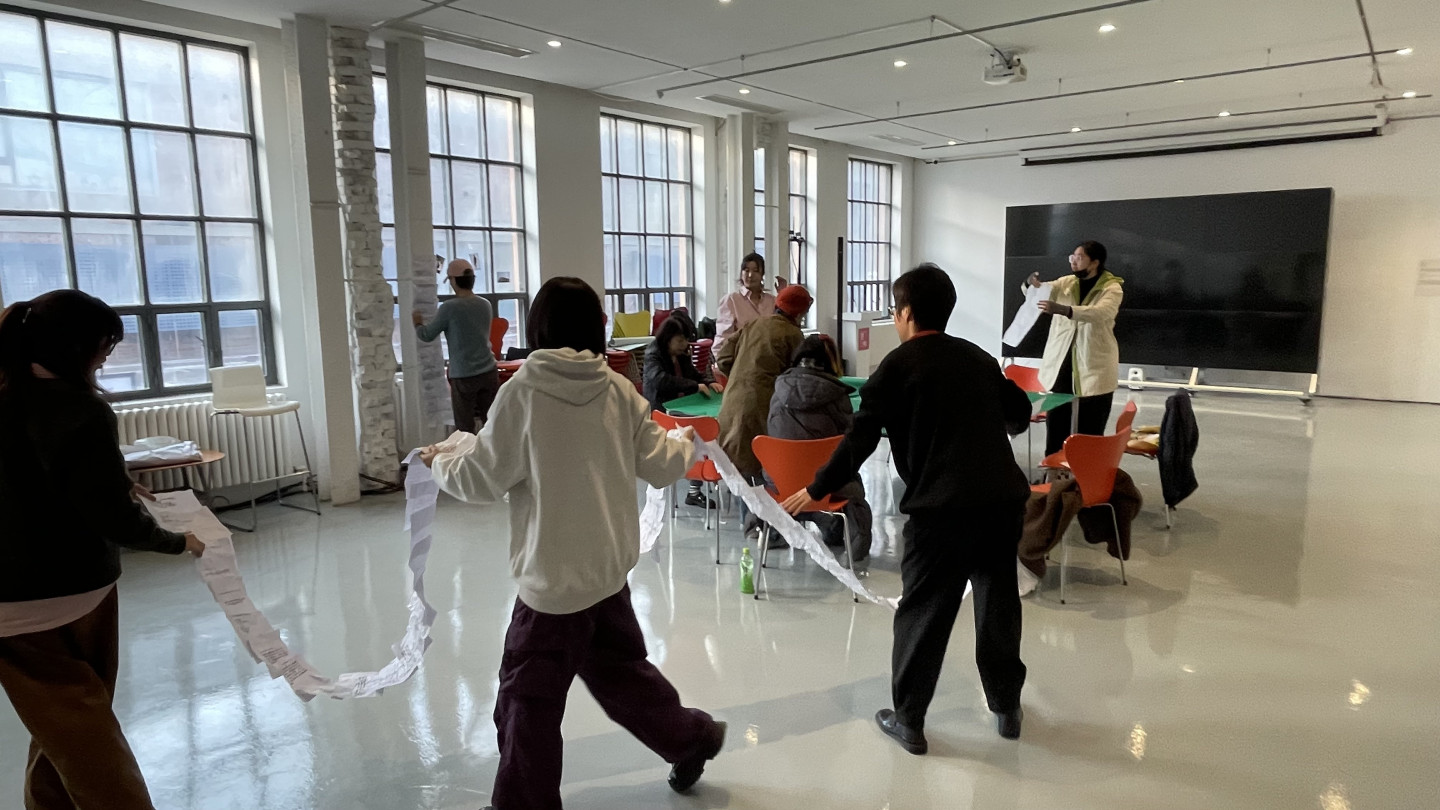
A series of performance labs which brought together senior residents from a care centre with professional artists to co-create a performance that would explore memory and ageing. The emotional impact from “From Memory to Script” proved to be profound by fostering a sense of belonging and connection among participants and has led to expanding the initiative with a new round of performance labs.
This "Ageing Together" film festival was especially meaningful, making many young people like me start paying attention to the lives and conditions of the elderly. (...) I really look forward to more documentaries focusing on young people, middle-aged people, or children in the future - getting close to their worlds.
Luo Jun, audience
A Promise Despite The Odds
Voices Across Time showed how well-curated cultural programming and audience-focused engagement can create meaningful exchange, even in a challenging local context. Despite the delicate climate between EU and China and the subsequent challenges with presenting EU-related activities in public venues in the Chinese capital, the events were met with strong public interest. The exhibition welcomed over 35,000 visitors, with film screenings and discussion formats consistently well attended, demonstrating the relevance of the project’s themes for local audiences.
A key factor in the project’s accessibility was its restrained emphasis on an European identity. This approach, combined with the complementary perspectives of European and Chinese contributors, made it easier for the audiences to access the difficult topic of ageing in a way that they could connect with it. The high level of participation and openness across activities for these sensitive topics suggests a strong foundation for future collaboration. Several EUNIC partners are already exploring possibilities to continue their work on themes related to ageing and societal change.