Connecting Creativity and Community Through Gaming.
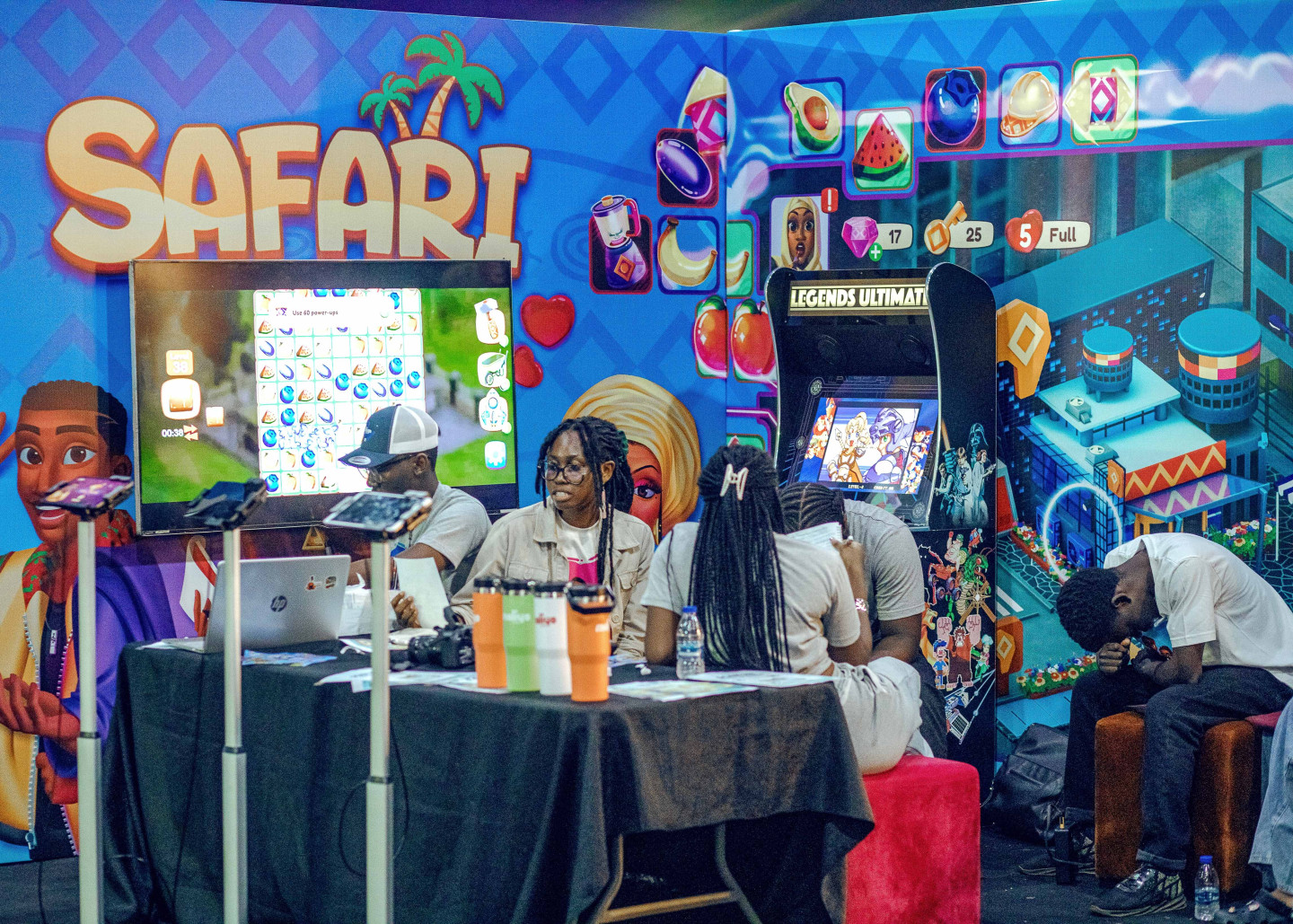
GamesConnect AFRICA brought together game developers, studios and civil society actors across West Africa to strengthen the continent’s gaming ecosystem.
Through game jams, mentoring and cultural exchange, the initiative transformed gaming into a dynamic platform for education, dialogue and social innovation.
Africa’s gaming industry has grown rapidly, yet challenges such as limited infrastructure, mobility barriers and lack of global visibility persisted. GamesConnect responded by creating inclusive spaces where gaming fostered creativity, media literacy and community participation.
The project set out to empower local studios and civil society organisations to co-create games tackling social issues while promoting cultural participation. By supporting game jams, workshops and mentoring, GamesConnect built regional networks and opened pathways for African developers to access international platforms and strengthen cross-border collaboration.
Highlights:
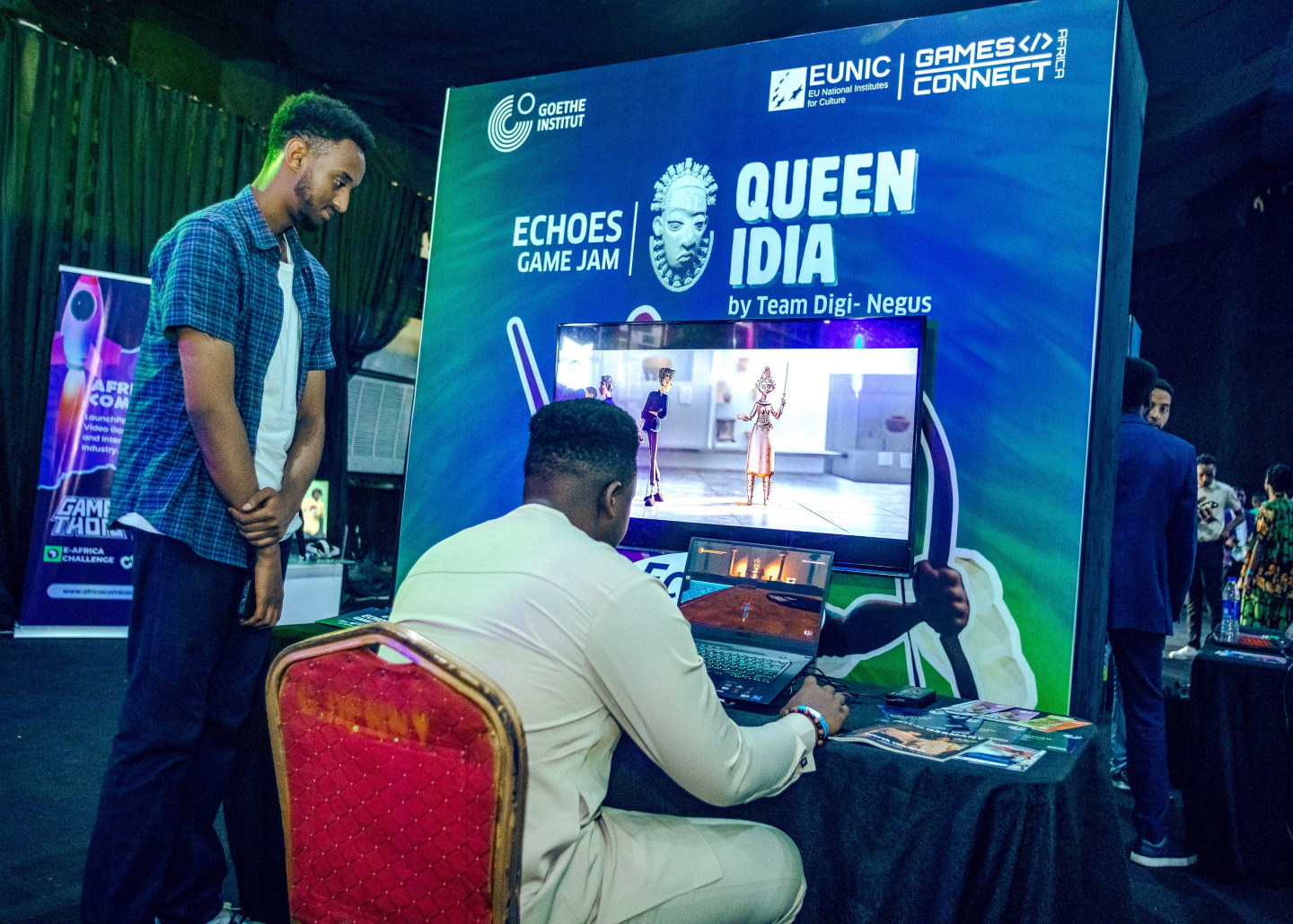
- Co-development of Echoes Game Jam, a hybrid pan-African event that engaged participants from Ghana, Cameroon, Ethiopia, Kenya, Namibia and Tanzania
- Mentoring programme for small and mid-sized gaming studios launched in partnership with SpielFabrique, offering two tracks: a French-speaking cohort for eight West African studios and an English-speaking track for twelve studios
- Support of Africa’s first Global Game Jam semi-final in Luanda, connecting local talent to a global creative movement
- KOUMAN, a game design workshop series in Côte d’Ivoire focusing on cultural heritage and storytelling. Workshops were held in Abidjan, Yamoussoukro and Bouaké, with the final session scheduled for Korhogo in December, reaching 100 students
- Playful Obscura, Africa’s first arthouse games residency, held in Ghana’s Volta Region. The residency was co-created with A MAZE., an international festival for experimental games and playful media, and Node Eight Foundation, ensuring a rich exchange of ideas between African creators and global pioneers in playful media.
There’s been a significant gap in the Kenyan video games and general creative tech ecosystem for a while, and it showed because our conversations often had to continue even after the library was closed. We learned so much from each other and were reminded that many of the answers we’re looking for already exist within our own community.
Wendi Ndaki Mutisya, Founder and Creative Director at WAI Network
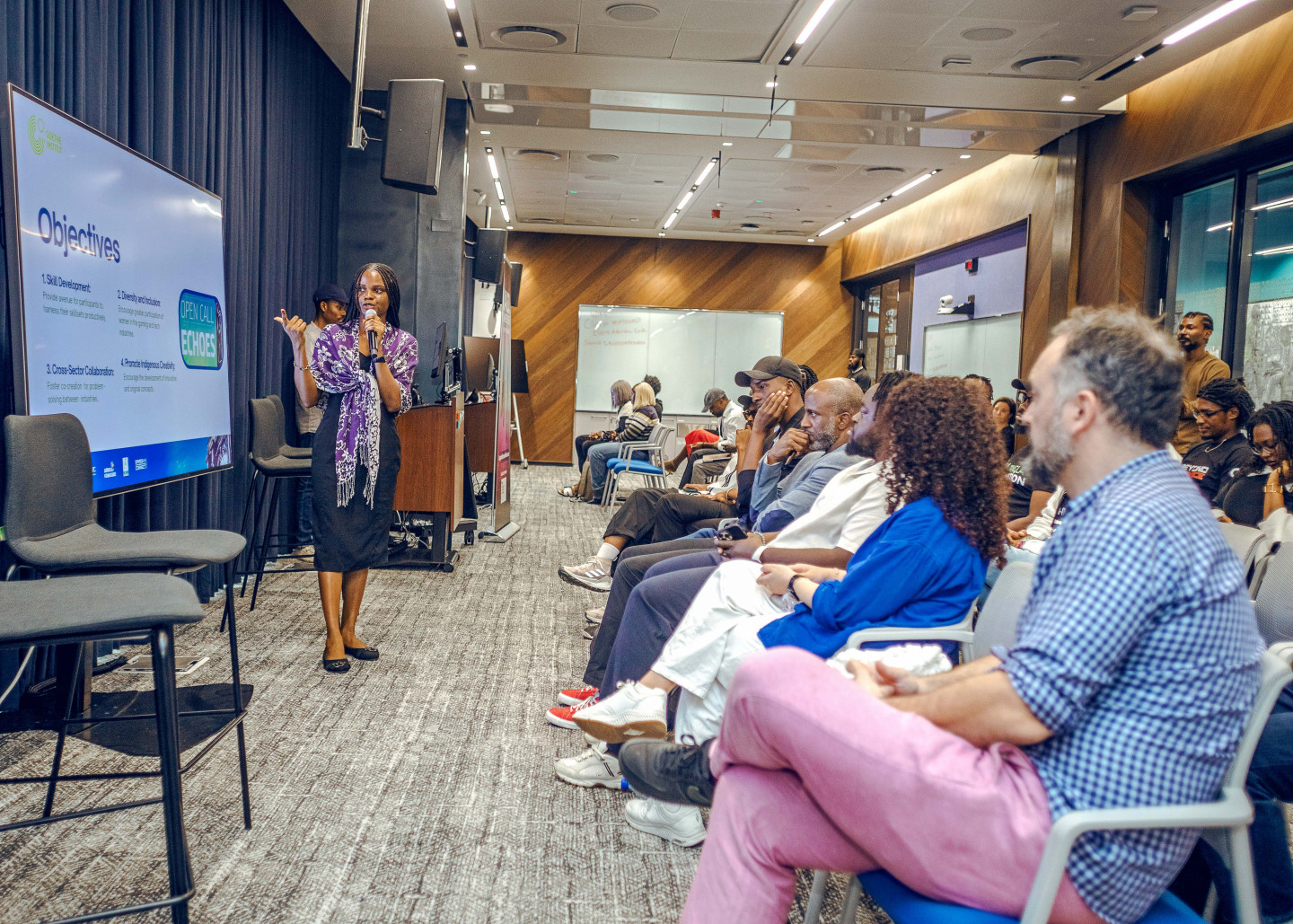
Beyond West Africa, GamesConnect extended its reach through regional knowledge-sharing events. In Nairobi, a GamesConnect meet-up brought together Kenyan developers for a panel on cultural storytelling, AI and eSports, followed by a pitching workshop that strengthened local industry skills. In Senegal, the “Gaming 360” webinar series featured leading voices from the francophone gaming scene, sparking dialogue on innovation and inclusion.
The Goethe-Institut coordinated the project with EUNIC cluster members and regional partners. SpielFabrique played a pivotal role in mentoring and professional development, leveraging its BRIDGE accelerator to provide expert guidance and webinars.
A MAZE. contributed international expertise in experimental game design and creative methodologies, while civil society organisations such as Node Eight Foundation enriched the programme by linking gaming to social initiatives such as digital literacy and youth empowerment.
GamesConnect expanded the African gaming network and delivered tangible results: Echoes Game Jam attracted participants from six countries, fostering cross-cultural collaboration; the mentoring programme supported 20 studios, strengthening business skills and international visibility; KOUMAN workshops introduced 100 students in Côte d’Ivoire to coding and game design; and regional events in Kenya and Senegal amplified knowledge exchange and industry dialogue.
GamesConnect AFRICA is an incredible opportunity to gather all the key actors and experts on the continent to work together to joint activities and shared best practices on how to support the videogame industry.
Olympe Challot, Project Manager at SpielFabrique
GamesConnect AFRICA concluded with stronger networks, improved skills, and new opportunities for African developers. Its legacy lies in fostering sustainable collaboration between gaming and civil society, paving the way for future initiatives that integrate cultural participation with digital innovation.
To build on this momentum, an updated mapping of Africa’s gaming ecosystem is underway and will be published in January 2026.