In 2024 the project MUSEUM FORWARD was launched with support from the EUNIC Cluster Fund. This forum brought together museum practitioners to explore approaches around innovative and sustainable practices.
This year, the second instalment of MUSEUM FORWARD took a significantly different format from its inaugural edition. Instead of following a top-down, one-time big event approach, it embraced an experimental, process-oriented journey rooted in collaboration and tailored support. It shifted from the podium to the ground where the real work could unfold: more about understanding specific museum cases - its challenges, aspirations, and potentials - and working together from within to nurture growth.
The open call for participating museums and collaborators sparked a lively buzz across Indonesia. Sixteen institutions from across the vast archipelago submitted their entries, each reflecting a different facet of Indonesia’s rich cultural tapestry - from the bustling streets of Jakarta to the quiet towns of Wonosobo and Banda Neira. Each one carried its own needs, hopes, and dreams. After a careful selection process, in partnership with local heritage agencies and organisations like ICOM Indonesia, three museums were chosen to embark on this transformative journey:
- Museum Perkebunan Indonesia (Indonesian Plantation Museum) in Medan,
- Galeri Lokananta in Solo,
- Museum Nyah Lasem in Rembang.
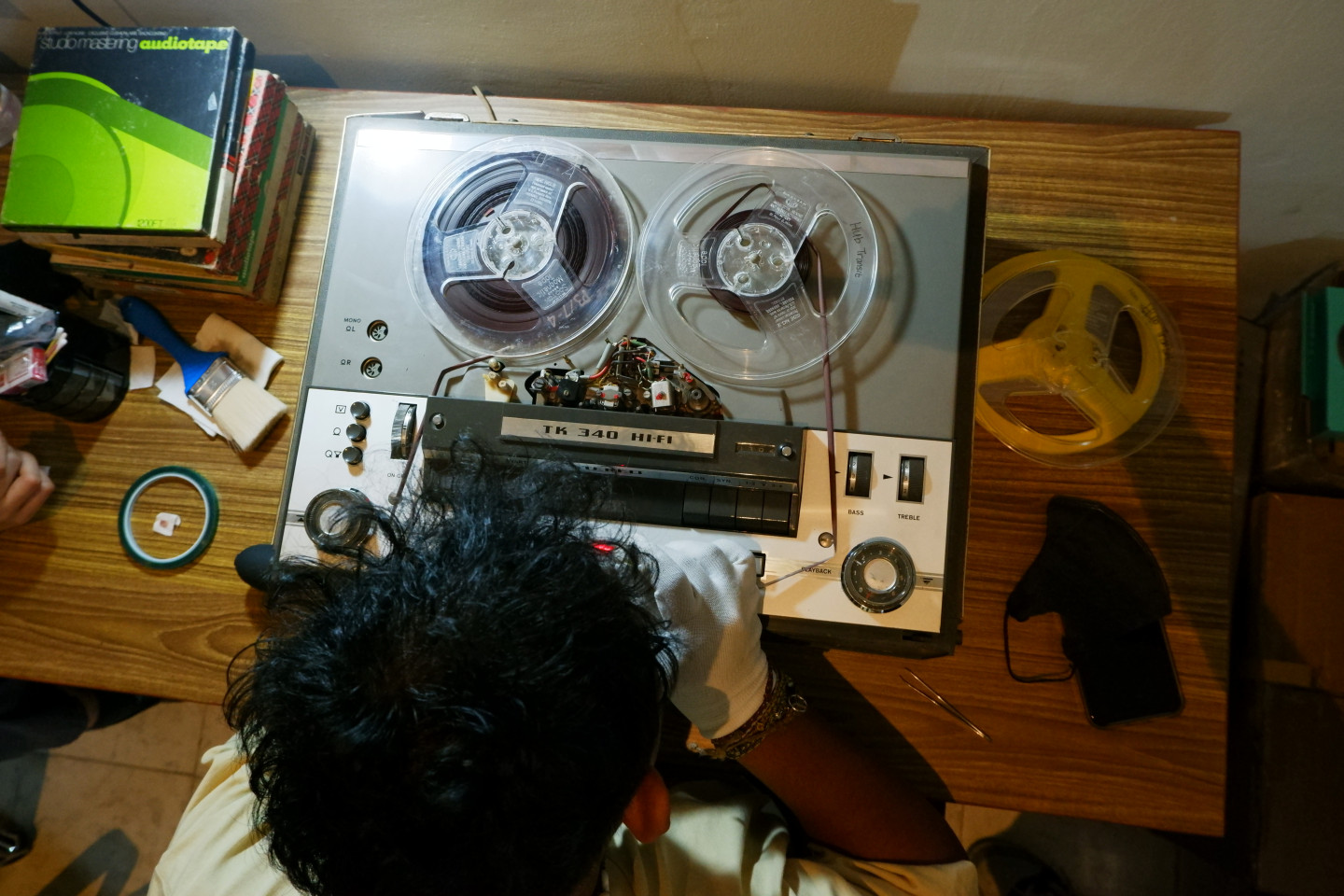
Throughout this process, each museum benefited from the guidance of specialised collaborators. From Arsip Nasional Indonesia (Indonesia’s National Archive), Jajang Nurjaman shared his extensive knowledge of archival standards and colonial record preservation. Julita Pratiwi, an independent audio expert, helped Lokananta develop techniques to keep their sound archives accessible for future generations. For Nyah Lasem, Haffata Yahfitu Zahra, a historian and lecturer, designed educational modules aimed at embedding sustainable learning practices within the community, fostering long-term engagement rooted in local culture and history.
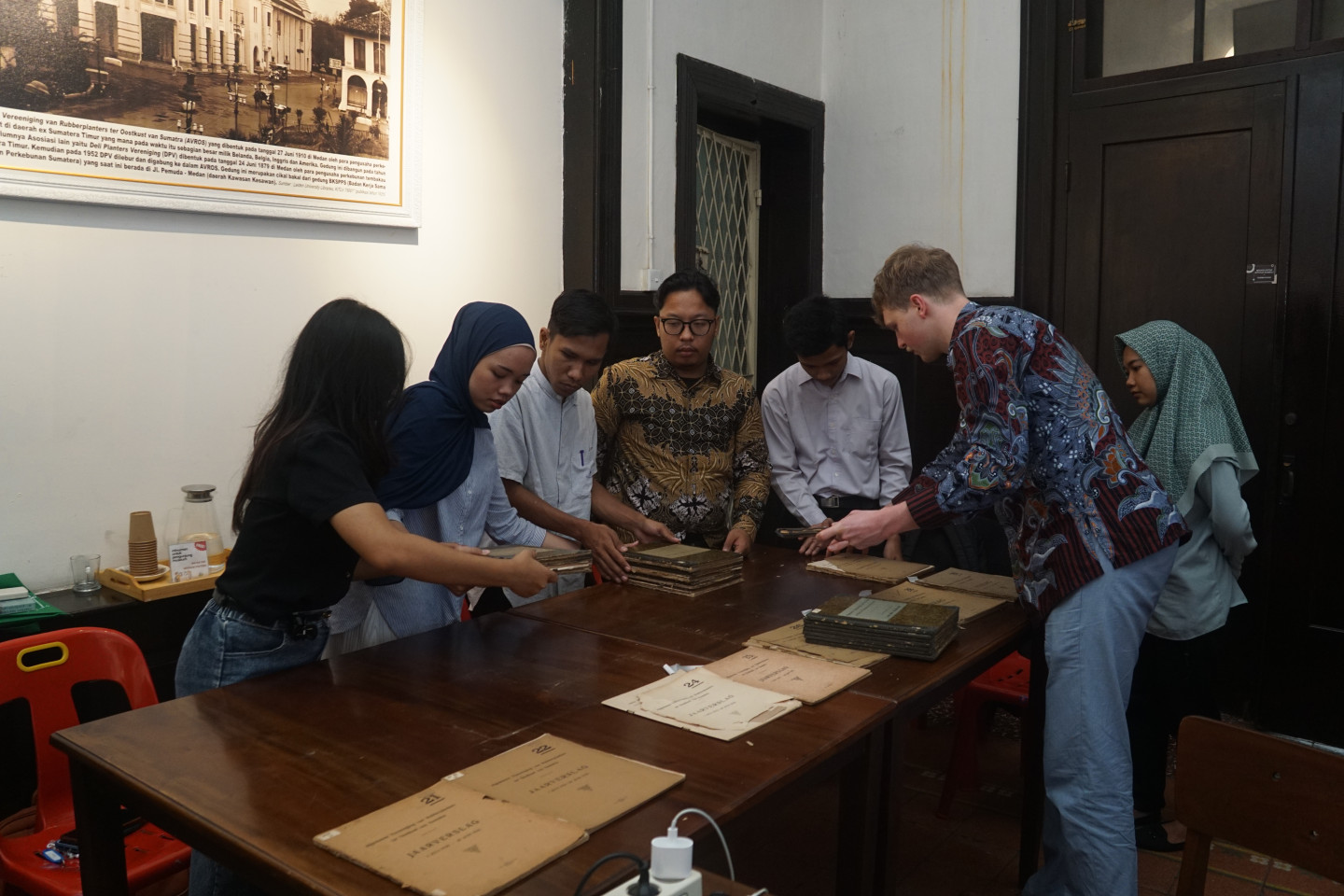
Museum Perkebunan Indonesia really has something special in their hands. I did not know about this archive before, and neither did multiple historians I talked to in the Netherlands, people who have decades of experience researching Indonesian history, so this is really great to be made available for research.
Alex Enzlin, expert collaborator, Nationaal Archief
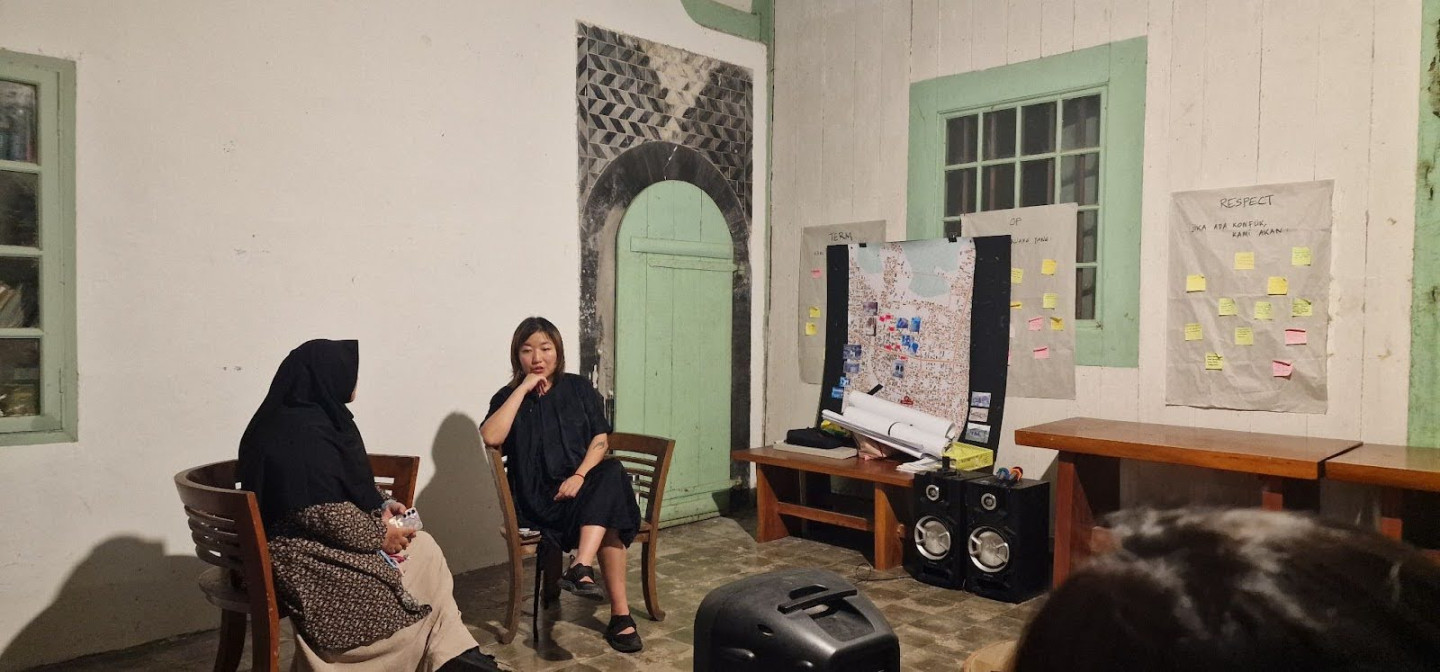
The project’s international dimension added further depth. Alex Enzlin (Netherlands) and his team at the Nationaal Archief (Dutch National Archives) brought invaluable expertise in digitisation and preservation, sharing insights on Dutch colonial archives and Indonesian materials. Will Prentice from Phonogramm Archiv Austria led workshops on audio preservation, a crucial skill for Lokananta’s extensive collection. Maria Cecilia Ayson (Philippines) shared her experience in building vintage record collections, emphasising their cultural significance - an insight that resonated deeply with Lokananta’s ongoing efforts. Luka Yuanyuan Yang, on behalf of esea contemporary UK, engaged with Nyah Lasem through a residency that explored cultural translation and personal histories, enriching the community’s storytelling. Rosario Periconne from Museo Marionette Palermo, Italy, reflected on the importance of personal and collective memory through family archives, adding another layer of understanding to the project.
What makes MUSEUM FORWARD compelling is its ability to bring together cross-disciplinary perspectives while engaging with current international issues from ethical museology and digital transformation to community agency and shared authority, topics that are also central in ICOM forums today. I particularly appreciate how MUSEUM FORWARD positions itself not as a teaching platform, but as a facilitator of meaningful dialogue. This approach creates space for practitioners to co-create knowledge, exchange experiences, and reflect critically on their work. The program also strengthens international networking in a genuine, practice based way, aligning closely with the collaborative spirit ICOM advocates. Even as an observer, MUSEUM FORWARD continues to broaden my thinking about the future of museums.
Faizzatus Sa’diyah, museum practitioner, ICOM Indonesia
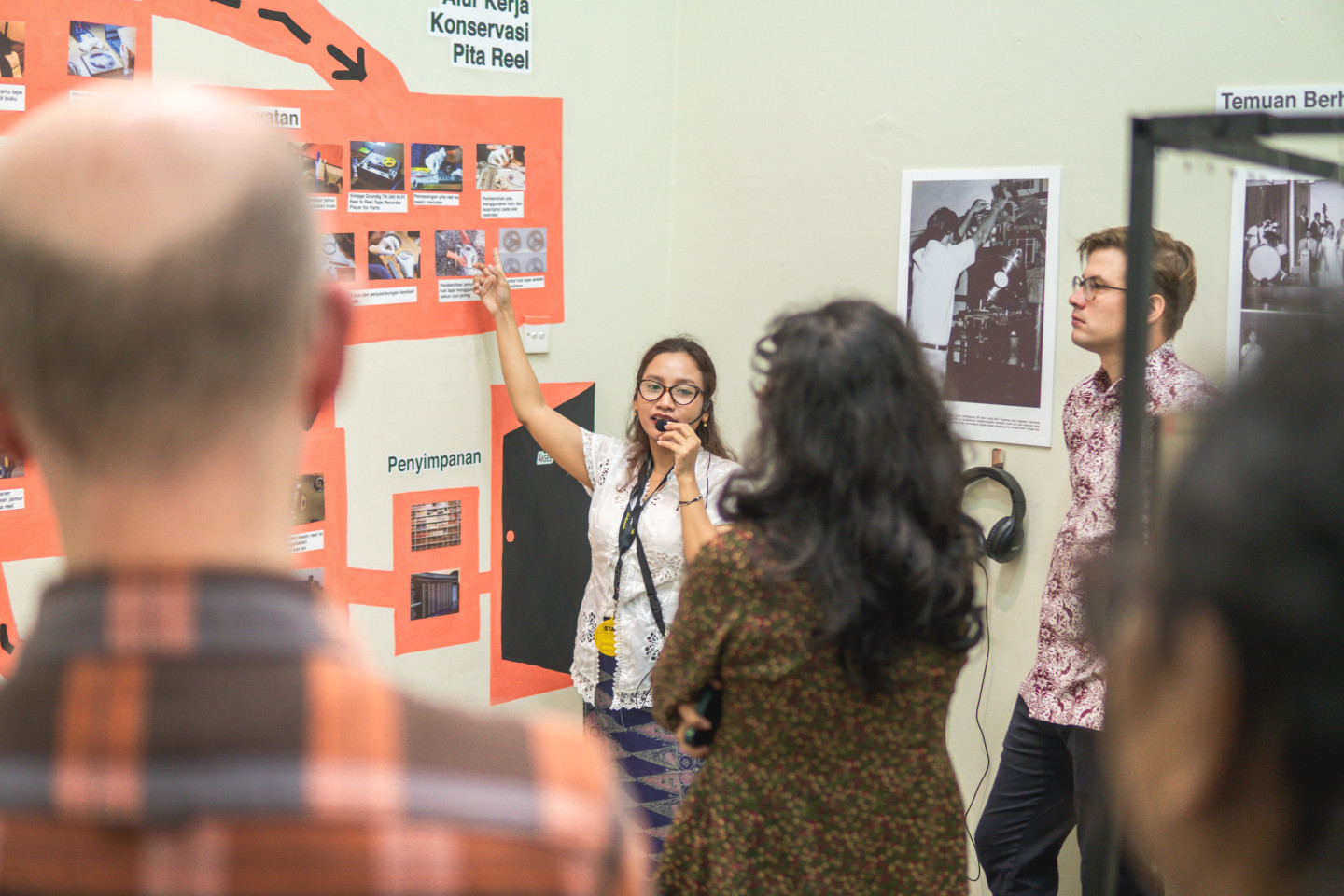
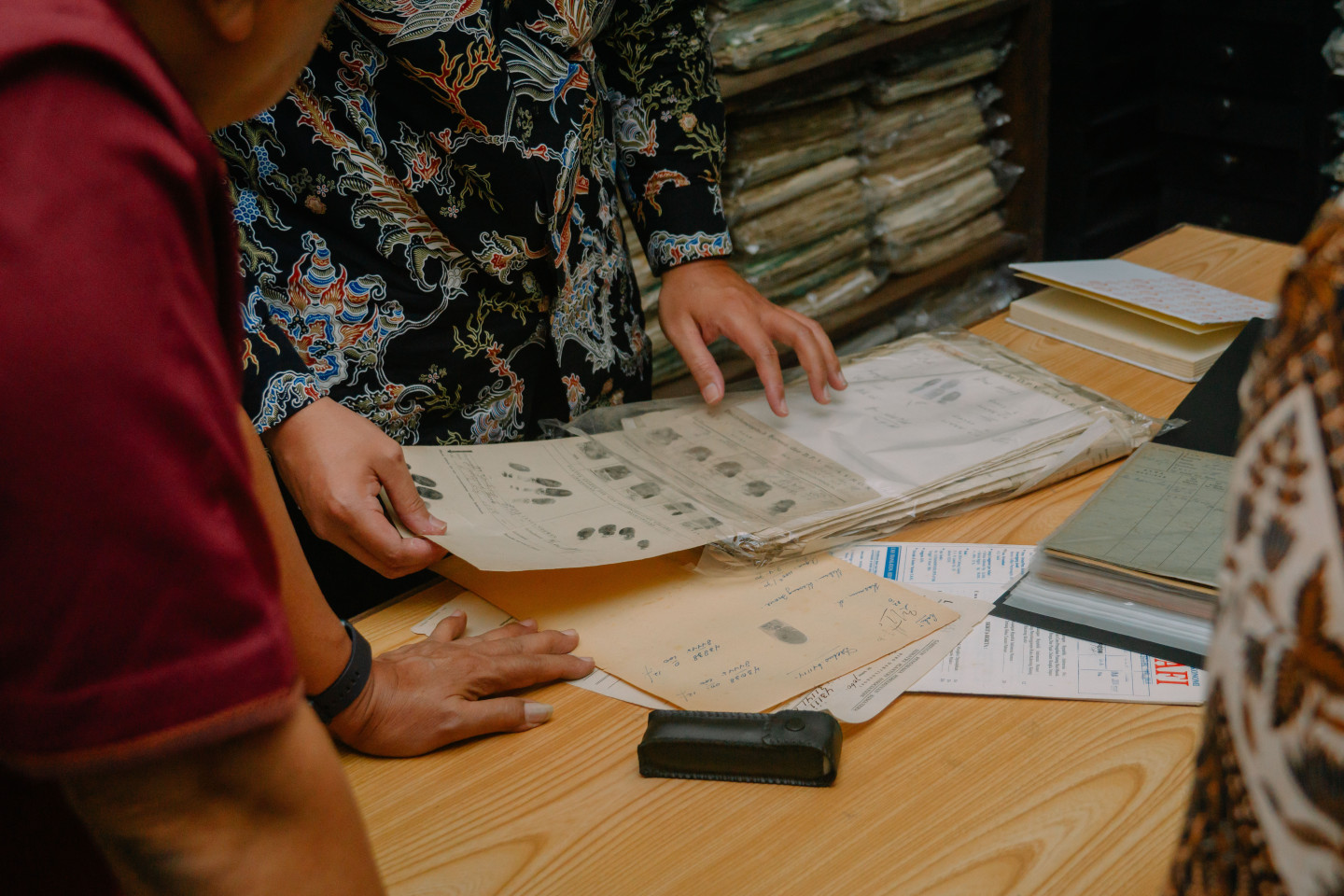
The tangible results of these processes can be seen in each Museum’s communication platforms. Museum Perkebunan Indonesia completed the digitisation and restoration of their fingerprint archives within the targeted periods, creating accessible modules that opened new possibilities for exhibitions and research. Galeri Lokananta presented their outputs of preserving around 500 audio archives with a renewed discography room and an exhibition about their collection and conservation process. Museum Nyah Lasem’s residency fostered a deeper relationship with local people, and presented an exhibition that reimagined their archives as living educational tools that provided sustainable platforms for their operations ahead.
All the expertise exchanges were concluded and elaborated in a Masterclass series encompassing the three museums’ cases, with all the collaborators involved, and inviting guest experts to be speakers and moderators. These well-attended Masterclasses were met with great responses from the museum and archive communities from Indonesia, and raised poignant conversations on issues such as decolonisation in museums, audio preservation, community building, and rewriting histories.
The journey has not been without challenges. The process-driven, tailored approach demands patience, flexibility, and constant negotiation among diverse partners. Indonesian museums often face infrastructure and funding limitations, making sustainability a persistent concern. These systemic issues - gaps between policy aspirations and ground realities - highlight the need for ongoing support and adaptive strategies. Environmental sustainability emerged as a crucial theme, with Lokananta exploring waste-free preservation methods and Museum Perkebunan Indonesia’s colonial archives illustrating the deep connections between history and ecological change. Climate crises, like flooding and power outages, serve as stark reminders that preservation efforts must also consider broader ecological challenges.
Looking ahead, the future of MUSEUM FORWARD in Indonesia involves finding a delicate balance - between aspirations and practical realities, between top-down strategies and community-led initiatives. The open call process fosters inclusivity and specificity, encouraging outputs that are practical, adaptable, and capable of lasting beyond the lifespan of the project. Building SOPs, modules, templates, and online resources that can be sustained by museums themselves is essential. Yet, there remains a clear need to scale these efforts, reach wider audiences, and forge stronger partnerships with government agencies and local stakeholders.
What makes this year’s MUSEUM FORWARD truly meaningful is its emphasis on process - on listening, learning, and evolving together. It’s about recognising the unique stories within each museum and helping them find their own voices. The approach - rooted in collaboration, sustainability, and community - serves as a potential model for other cultural initiatives. Ultimately, it’s a reminder that the most lasting change doesn’t come from instant grand gestures but from the quiet, persistent efforts of communities and individuals dedicated to safeguarding their histories for future generations.