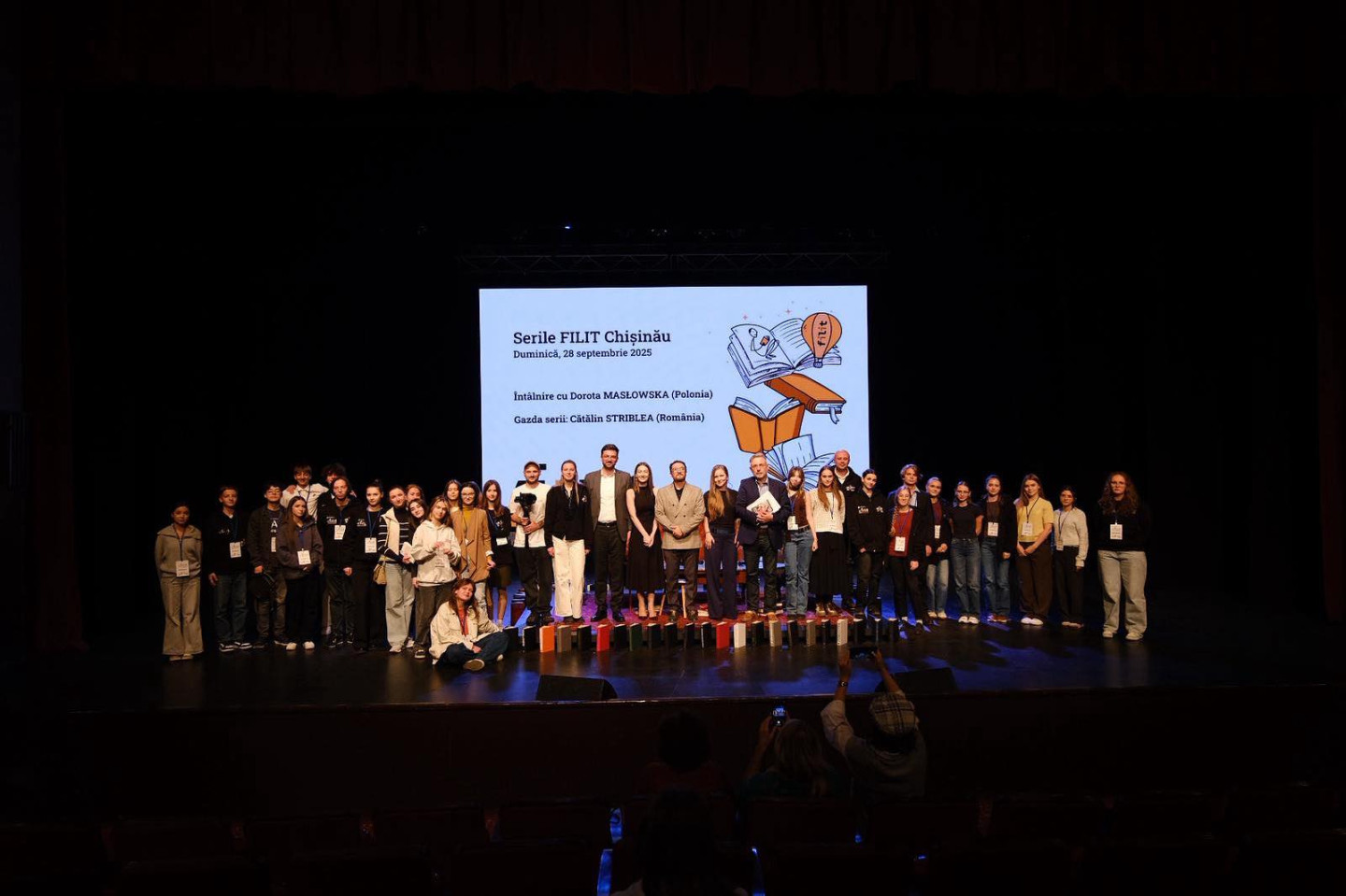
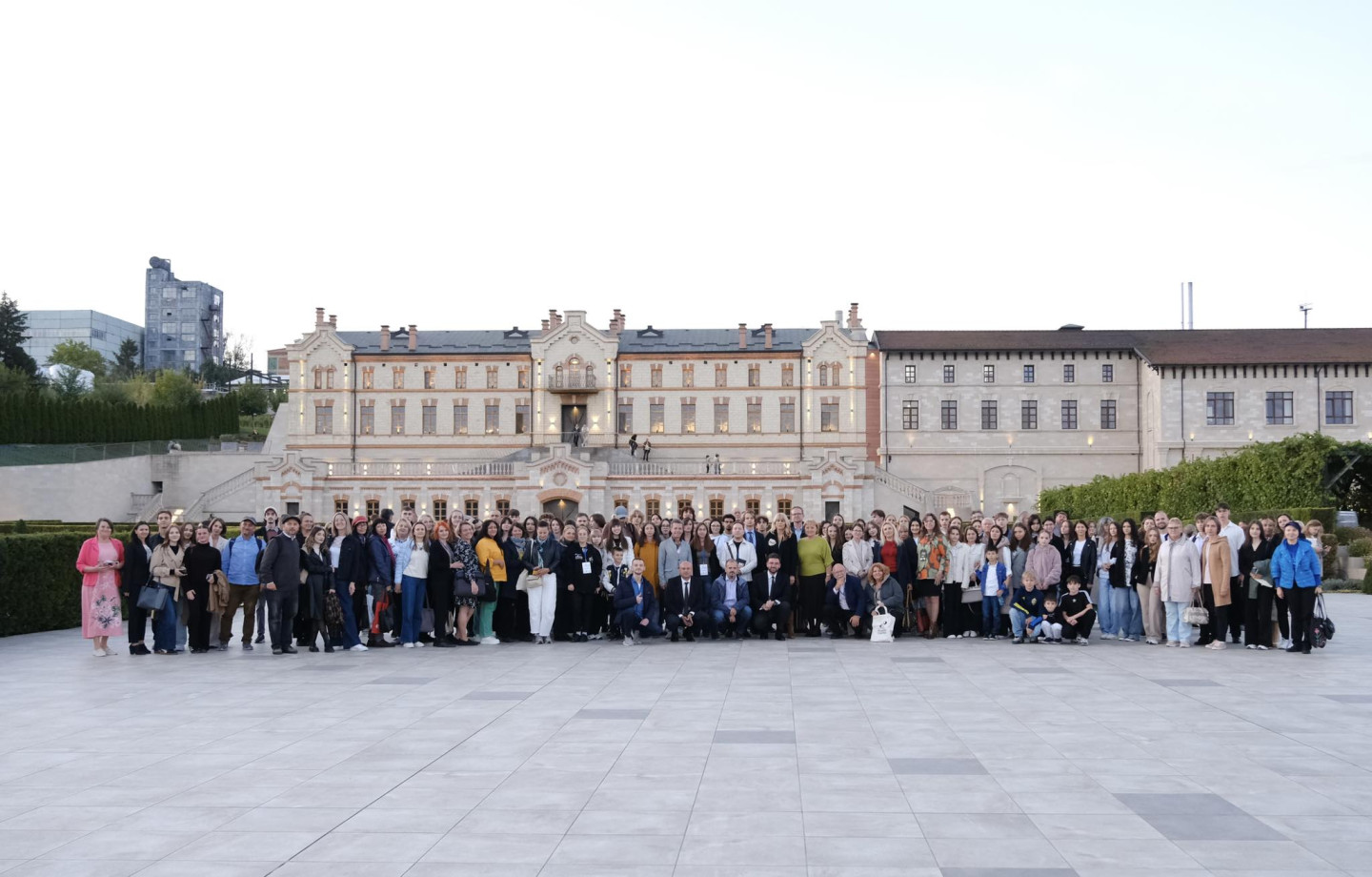
Part of the third edition of the International Festival of Literature and Translation in Chișinău, this year’s special “out of Chișinău” brought participants and leading voices out of the city to Castle Mimi, Bulboaca.
In a time defined by cultural transformation, regional uncertainty, and the ongoing pursuit of mutual understanding, the Republic of Moldova stands both symbolically and geographically at the confluence of East and West.
In this meeting place of histories and perspectives, literature emerges as a universal language - a bridge capable of transcending borders and opening paths to dialogue.
The festival’s purpose goes beyond literary celebration. It seeks to strengthen regional and European ties, promote freedom of expression and inspire a renewed appreciation for reading, particularly among younger generations. By offering writers, translators, editors and readers a space to exchange ideas, Festival of Literature and Translation (FILIT) in Chișinău encourages discussion on identity, belonging, and creativity in an atmosphere of trust and curiosity.
Through these encounters, the initiative demonstrated how culture can become a tool for social resilience and mutual understanding, contributing to peace and cooperation.
Highlights of FILIT Chișinău 2025:
- a rich programme of readings, performances, and workshops throughout the city,
- collaboration with the European Day of Languages (26 September) to highlight the festival’s mission to promote linguistic diversity, cultural dialogue,
- the literature train a EUNIC Moldova initiative
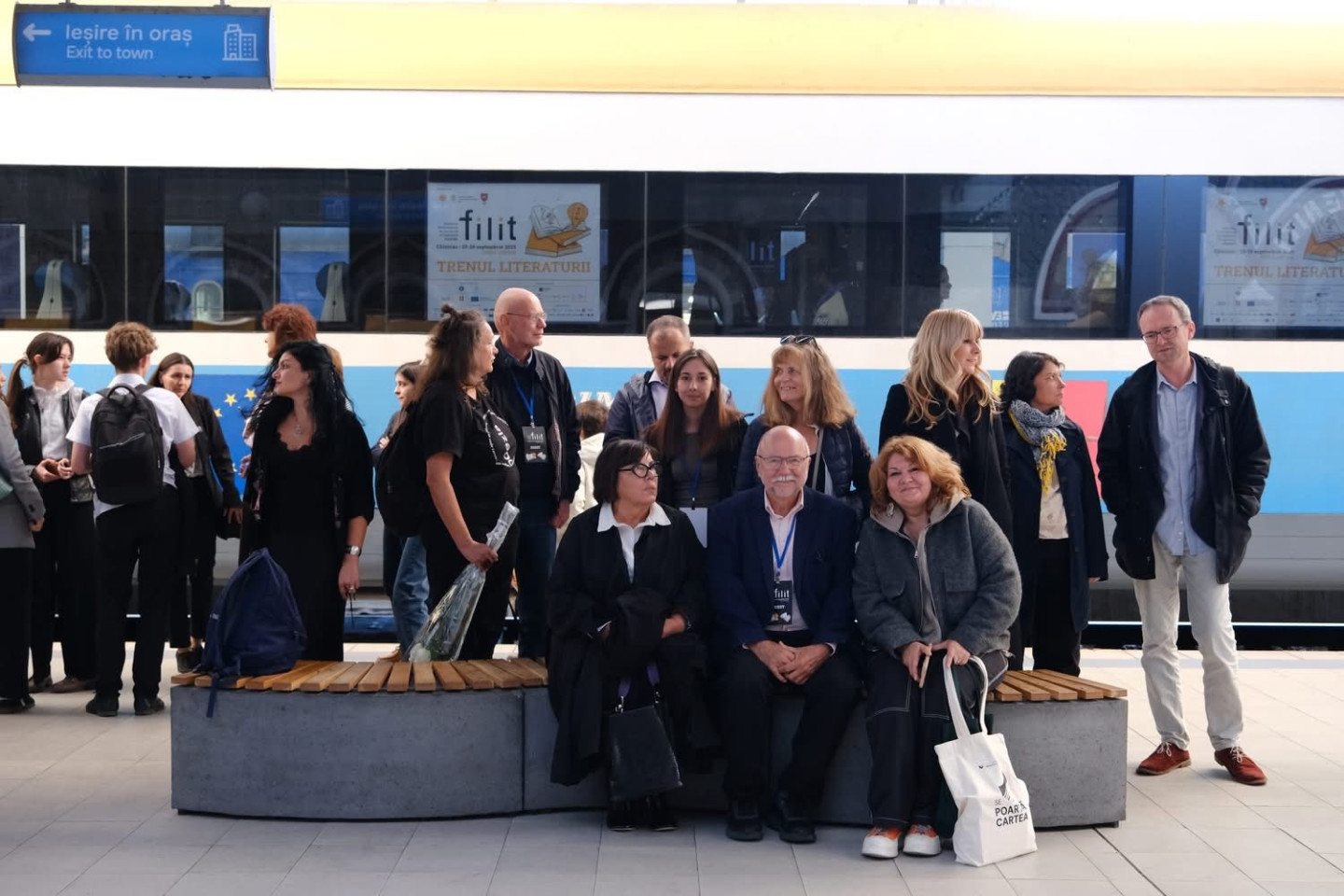
Its centrepiece was the train ride to Mimi Castle, one of Moldova’s most iconic cultural landmarks. Participants began their journey aboard a “literature train” travelling from Chișinău to Bulboaca - a moving cultural experience featuring live readings, debates, and performances along the way. This symbolic journey illustrated how stories, like people, can move freely and connect across borders.
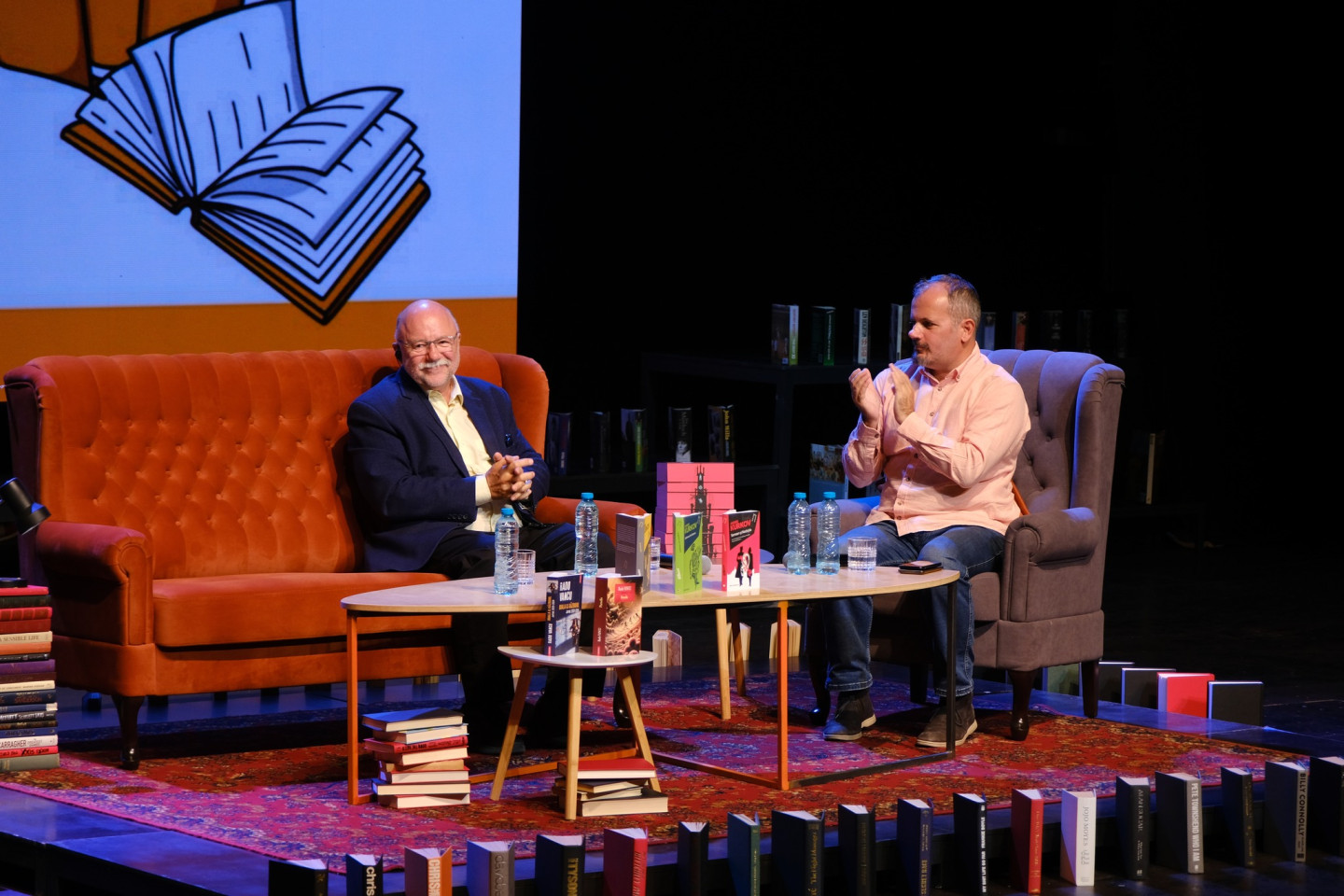
At the castle, writers and cultural figures Lorina Balteanu (Moldova), Andrei Kurkov (Ukraine), Arevik Ashkharoyan (Armenia), and Gaga Lomidze (Georgia) met Radu Vancu (Romania) and Piotr Pogorzelski (Poland) to discuss the role of culture in times of crisis, the preservation of heritage, and the meanings of migration and freedom of expression.
The conversations emphasised how creative cooperation can sustain cultural life even in uncertain contexts. Participants exchanged ideas on supporting vulnerable artistic communities and strengthening regional collaboration through innovative cultural networks.
Our literatures, from all the countries represented here, are similar: they grapple with the same traumas and explore common themes. Naturally, we long for this encounter with the West.
Lorina BĂLTEANU Republic of Moldova
The 2025 edition saw notable growth in participation and visibility, with stronger media attention and an enthusiastic public response.
The festival is increasingly recognised as a cultural brand that resonates with young audiences while earning respect across the cultural sector. Its expanding regional scope reinforces Moldova’s position on the European cultural map and transforms its geographic crossroads into a space of creative encounter between East and West.
Looking ahead, the organisers aim to deepen cooperation within the EUNIC network and broaden collaboration across the Eastern Partnership region. Future plans include the creation of FILIT Reading Clubs in partner high schools in Chișinău, later extending to other areas.Since its first edition, FILIT Chișinău has become one of the most anticipated literary events in the region, attracting audiences from both sides of the Prut River and beyond.
These clubs will sustain the festival’s spirit throughout the year, encouraging reading and offering insight into young readers’ interests. The long-term vision is to establish Chișinău as a permanent hub for intercultural dialogue and literary cooperation, a place where European and Eastern narratives can continue to meet and inspire one another.