Zoöp Connections – New networks for the living links European cultural institutes with Dutch Zoöps – organisations committed to ecological regeneration and shared governance with more-than-human life.
Through a series of exploratory residencies in 2025, artists and cultural professionals learned directly with ecological sites, while partners across the EUNIC Netherlands cluster experimented with new, practice-based ways of working regeneratively.
This is perhaps my take on what a regenerative relationship can look like: a relationship where meaning flows from one form of life to another and where we let what is meaningful for other lifeforms transform what is meaningful for us.
Estelle Zhong Mengual, artist in residency
Why Zoöp Connections?
Cultural organisations increasingly recognise that climate and biodiversity crises require new forms of cooperation and new vocabularies. Yet many struggle to translate these ambitions into everyday practice. The Zoöp model, developed by the Zoönomic Institute, offers a concrete structure for learning with and acting for the living world. Zoöp Connections tested how European cultural institutes could meaningfully engage with this approach – focusing on ecological learning, non-extractive exchange, and building long-term collaborative networks.
What happened?
Five EUNIC members partnered with five Dutch Zoöps – Nieuwe Instituut, De Ceuvel, Kunstfort Vijfhuizen, Creative Coding Utrecht, and Gagel Farm – to co-host short artist residencies. The residencies were intentionally modest and open-ended, inviting “learning by doing” rather than producing fixed outputs.
Across sites, artists and zoops explored new ways of noticing, each grounded in the specific ecosystem of the place:
-
At Creative Coding Utrecht, Yolanda Uriz revealed how sound shapes plant life – introducing staff to the rhythms, vibrations, and chemical signals through which plants communicate.
-
At Kunstfort Vijfhuizen, Ashley Holmes recorded the “negative space” of the fort – inviting colleagues to tune into bats, birds, and other presences otherwise unheard.
-
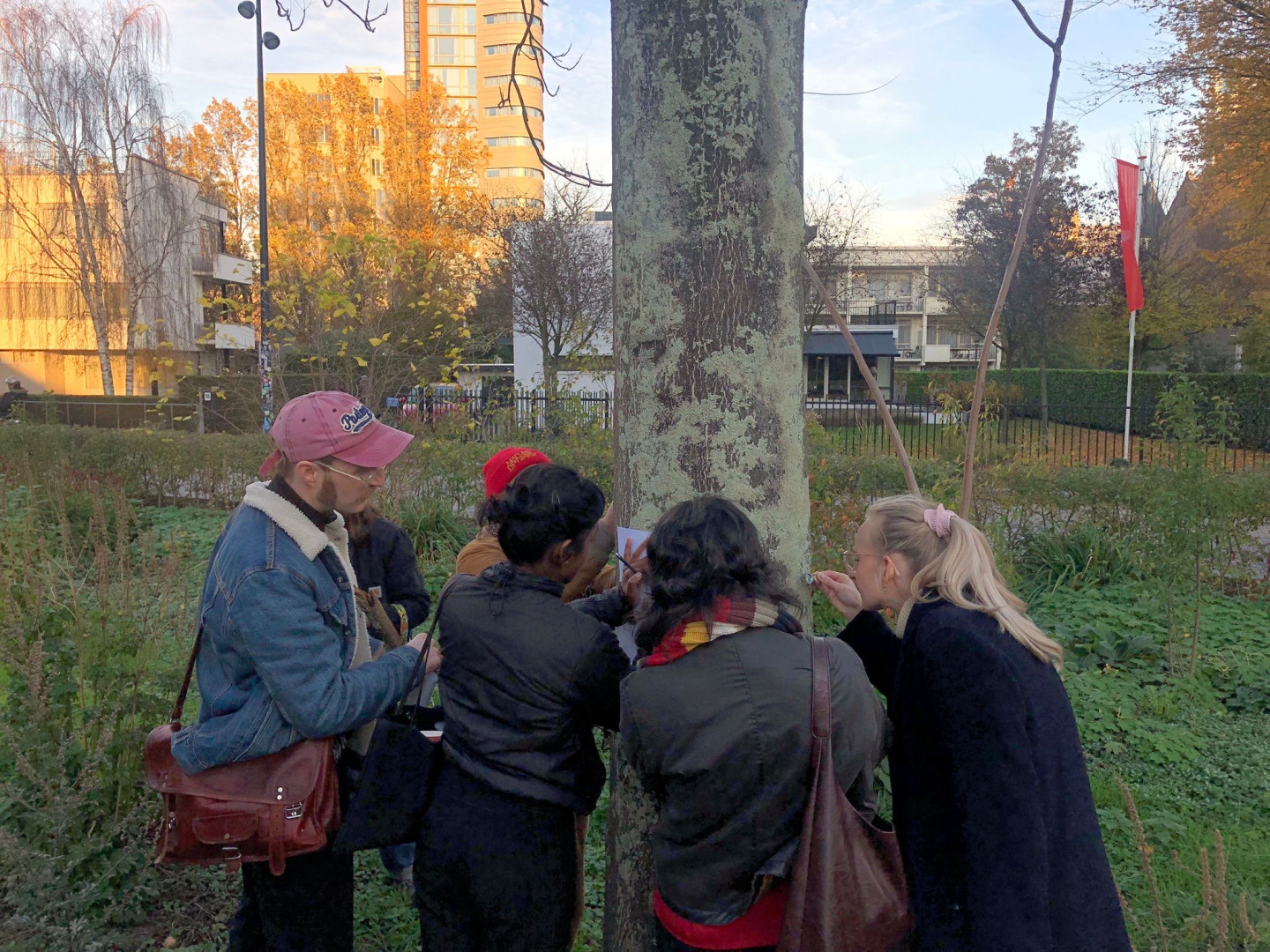
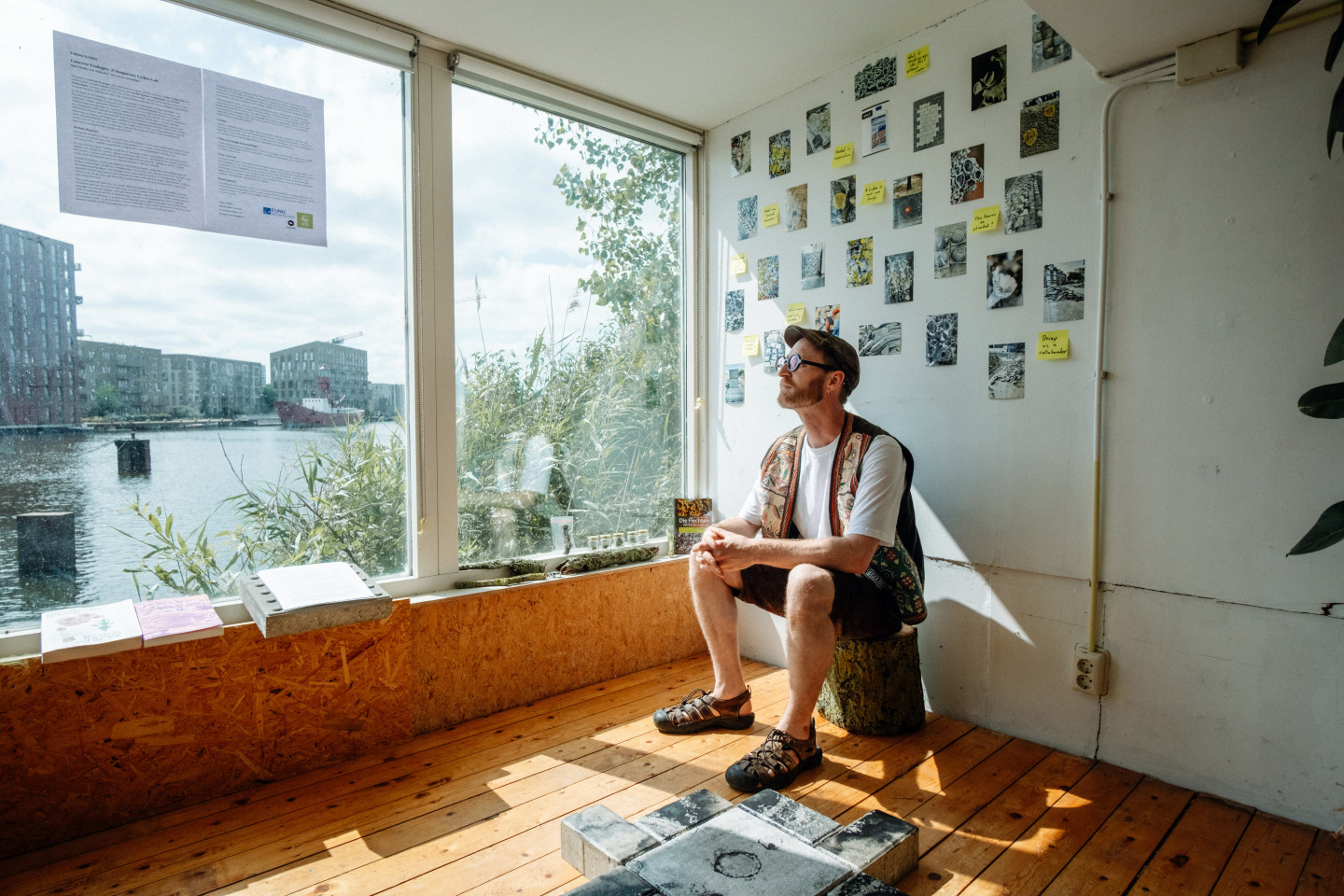
At De Ceuvel, Fabian Schäfer guided staff to look up into the trees and down to the ground – discovering lichen as a living witness of collaboration and ecosystem health.
-
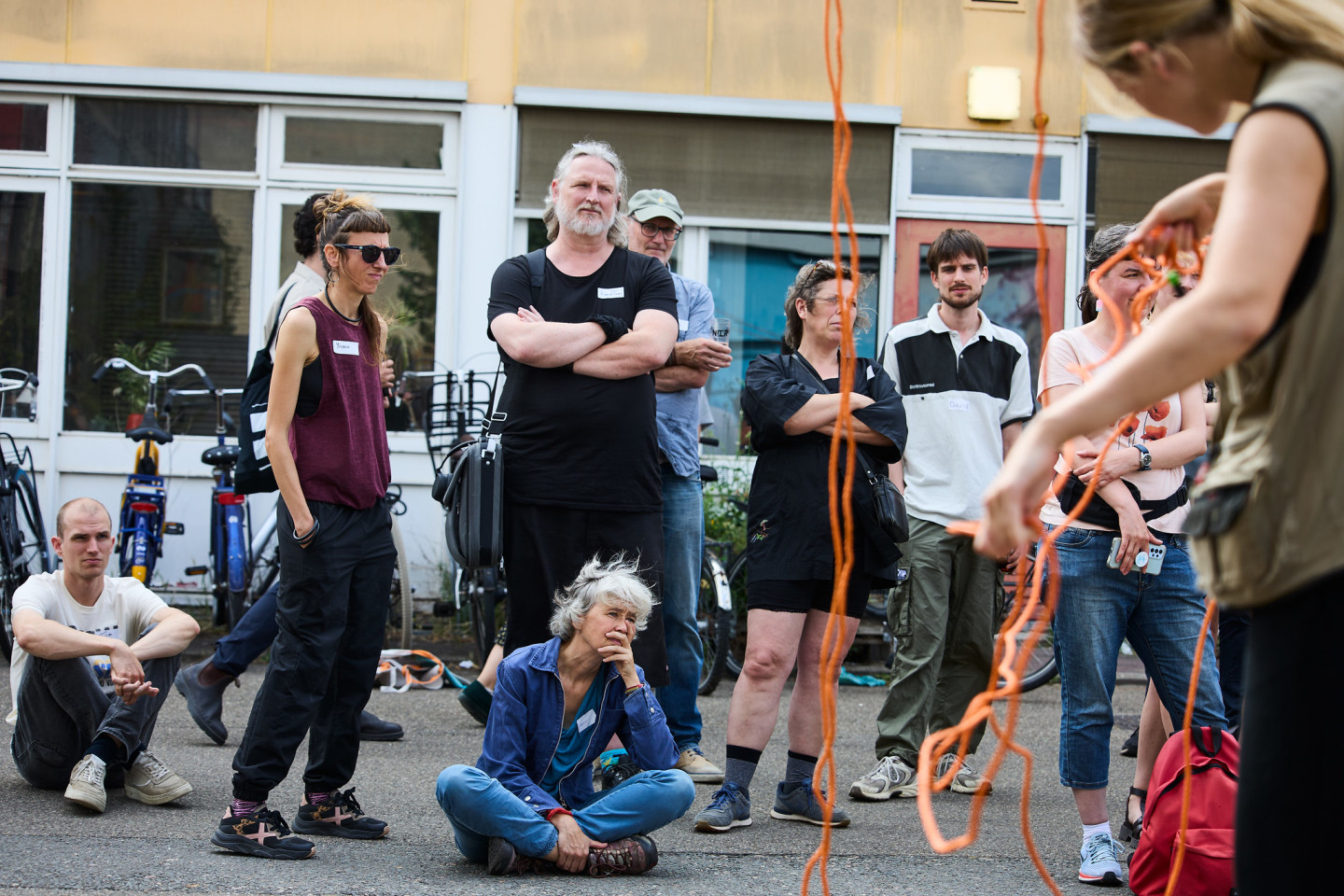
At Gagel Farm, Kapinga Muela Kabeya emphasised ritual, shared meals, and poetic attention to the land. Farmers experienced how slowing down and “dialoguing with what grows” opens forms of connection they had never considered.
-
At Nieuwe Instituut, Estelle Zhong Mengual explored the “touch points where meaning flows from one form of life to another,” sharing methods with students, museums, and Zoöp colleagues.
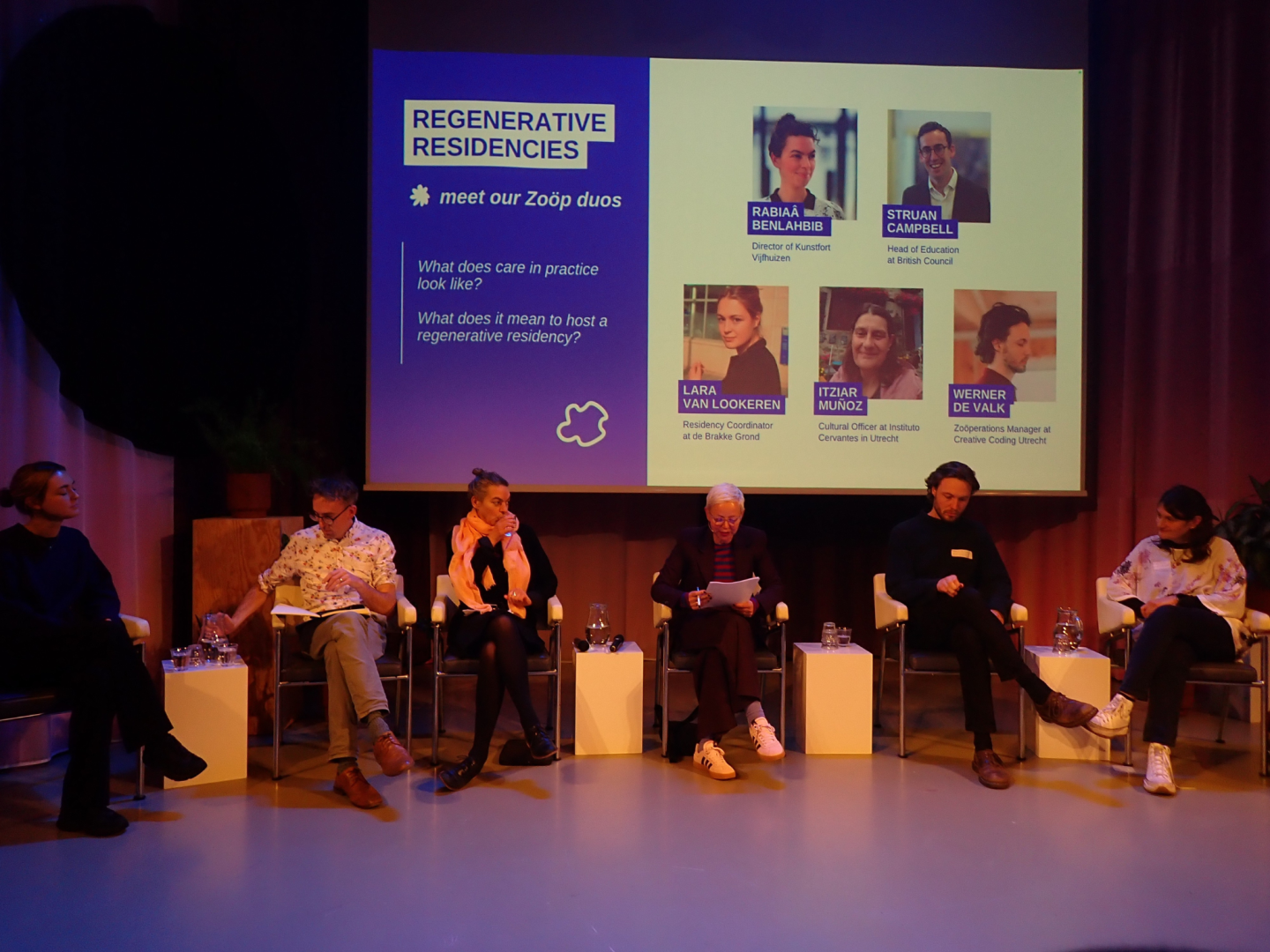
All the way through, dissemination moments, public walks, workshops, open studios, and gatherings allowed staff, visitors, and local communities to participate in the learning process.
We learned to attune to ecosystems through smell, sound, and slow time… Zoöps need to move at the tempo of their ecosystem. Yolanda made us aware of this.
Werner de Valk, Zoöp Creative Coding Utrecht
Mutual learning and collaboration
For many partners, this was the first encounter with regenerative practice as an operational rather than thematic framework. Staff volunteered on farms, joined fieldwork, and collaborated with Speakers for the Living – experiencing ecological responsibility as something embodied and relational.
During the week, we came through a whole process to a new understanding that we have to take care of each other and of non-human forms of living… It made me really slow down.
Struan Campbell, British Council
Collaboration across the network grew organically: EUNIC members embedded themselves in Zoöps; Zoöps connected with local creatives; and new institutions expressed interest in joining future cycles or adopting the Zoöp model internally.
Impact
The arts are crucial for finding ways out of our climate and ecological crises, because they inspire and inform a culture of care beyond the human.
Anna Lina Litz, audience member from ELIA
Apart from the institutional learning at EUNIC and Zoops gaining new ways of noticing relations in their ecosystem - the project generated substantial qualitative impact, through these new institutional conversations on ecological responsibility, stronger relationships between Zoöps and EUNIC partners, artists integrating their residency experience into their further work, or returning to the Netherlands continue work in 2026. Zoop gained increased visibility through events, talks, and cluster presentations, reaching thousands online and hundreds in person.
A palpable boost also took place in the international visibility of the Zoöp model as a whole; the project was featured in On the Move’s overview on greening residencies, cited in “EUNIC’s role in shaping a more sustainable future,” and referenced in an OMC report on culture and climate. A researcher highlighted “Zoöperation” as an example of “stealth science communication.”
Next steps
Building on the momentum of 2025, the cluster has submitted a renewed EUNIC Cluster Fund application for 2026 and is exploring additional support to embed regenerative residencies into the instrumentatium of cultural relations. Future cycles aim for longer, deeper engagements with Zoöps, giving artists and partners more time to attune to place, ecological processes, and community networks. Even between funded rounds, partners intend to continue using Zoöp Connections as a framework for bilateral collaboration and ongoing regenerative learning within Europe’s cultural-ecological infrastructures. In the meantime, the exchanges contribute to Zoop growing as a network, as a learning process and as an organisational model towards regenerative practice in Europe.