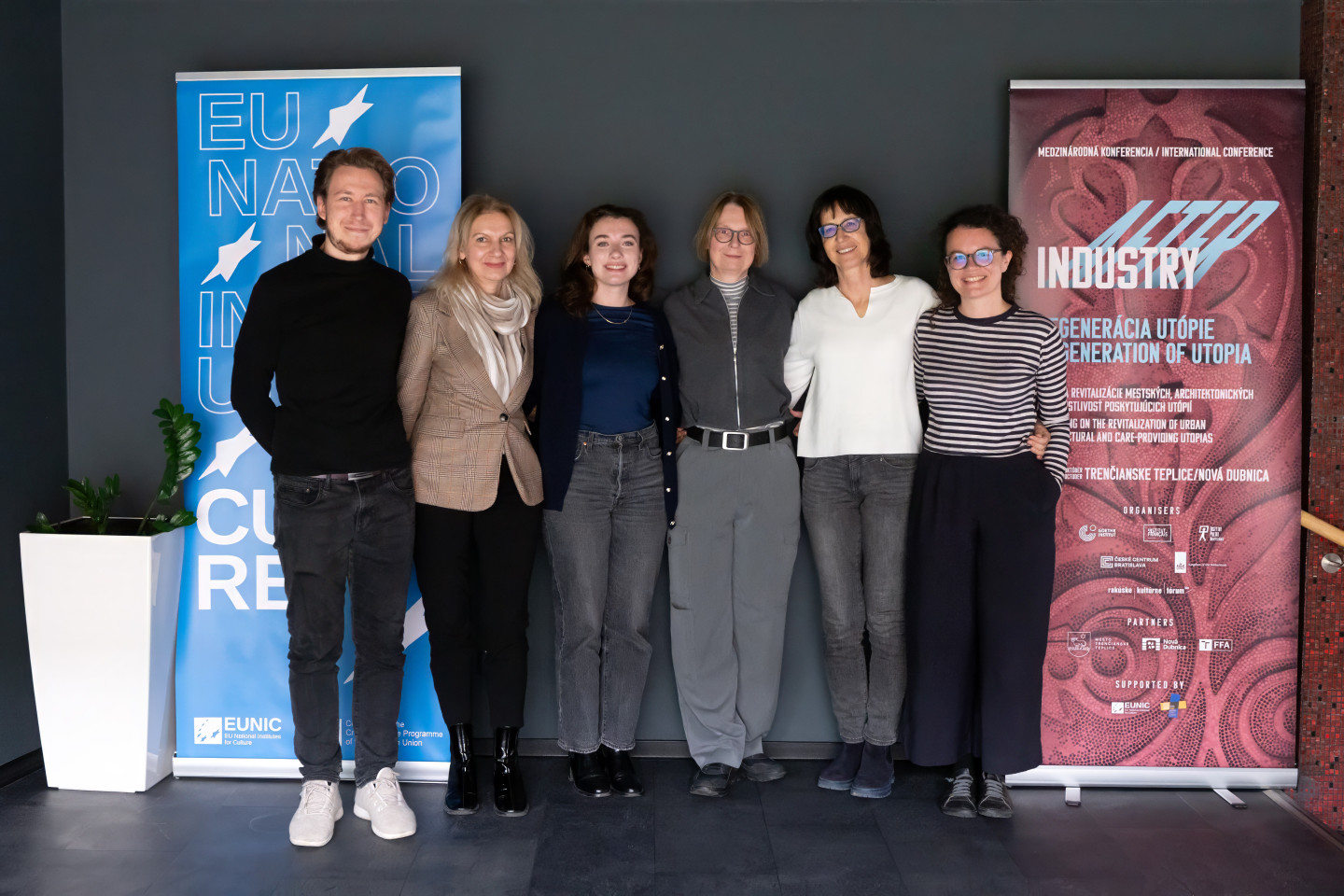
After Industry is a transdisciplinary initiative led by the EUNIC Cluster Bratislava that examines the modernist urban legacy and post-industrial futures of Nová Dubnica and Trenčianské Teplice.
The project convened local communities, European experts and cultural practitioners to reflect on how lost urban utopias can inform inclusive, resilient futures through artist residencies and a public conference in two cities in the Trenčín region ahead of European Capital of Culture 2026.
Since 1989, the selected cities have navigated prolonged post-industrial liminalitiy: The revised framework emphasized socio-political dimensions, highlighting economic democracy and global neoliberal impacts alongside urban identity debates. In the current Slovak cultural context – marked by polarisation and pressure on independent cultural ecosystems – the project created a value-based, democratic space for dialogue, knowledge-sharing and civic participation around architecture of care, heritage and urban futures.
Initiatives similar to this project are certainly needed to better understand economic processes that have taken place and are currently taking place in Europe.
Mateusz Bozek, Polish Institute Bratislava
The project aimed to empower residents, activists and municipal actors to participate in debates on their urban environment; to connect local and international architects, urban planners, artists and social scientists in co-creation; and to strengthen appreciation of local identity through modernist heritage.
Activities:
- two international research residencies engaging hosts in Nová Dubnica (Cinema Panorex) and Trenčianské Teplice (Jaromír Krejcar Society), mapping histories, contemporary socio-economic realities and community perspectives;
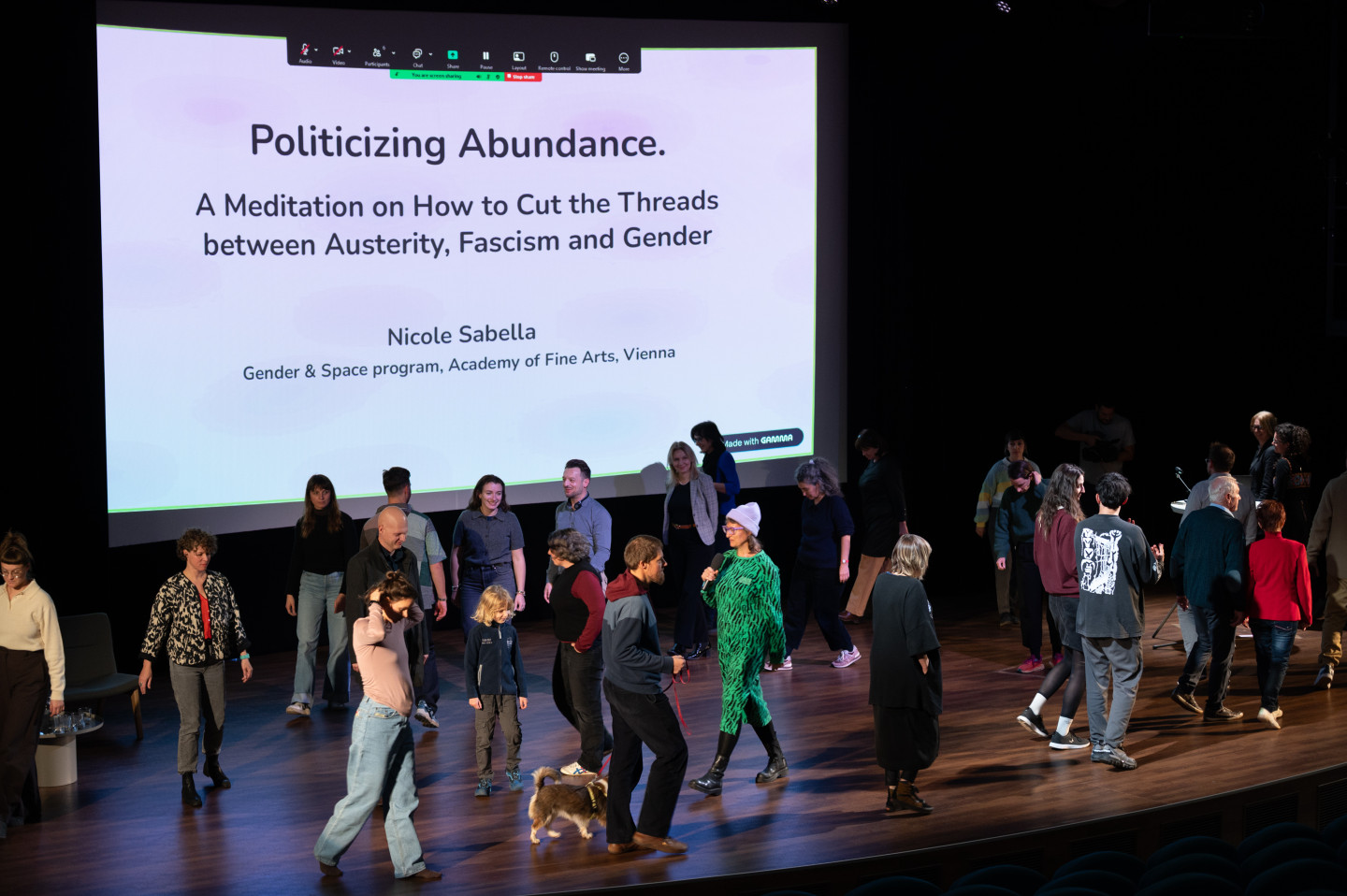
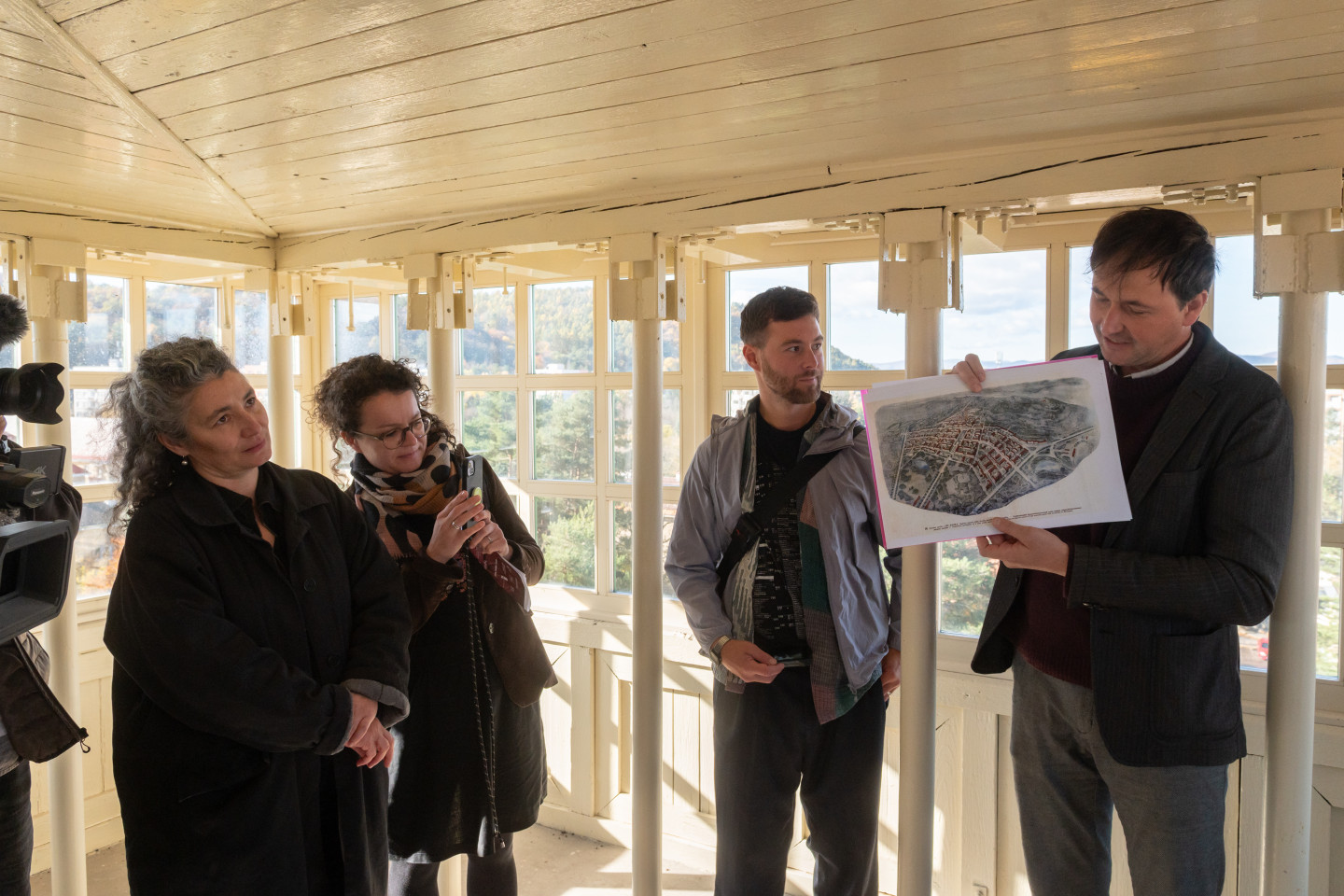
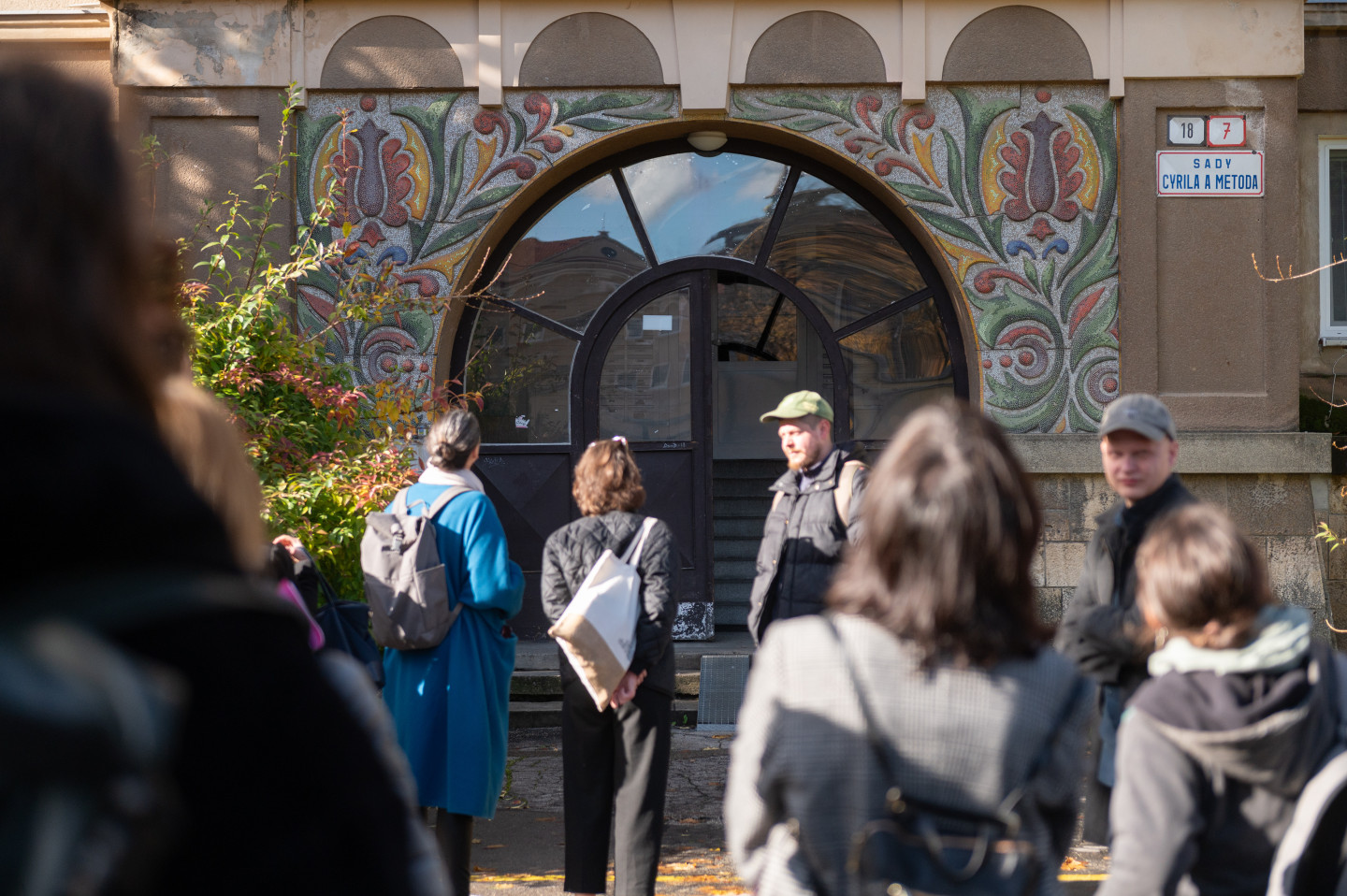
- a three-day public conference, that gathered European scholars, urbanists and artists for talks, screenings and city walks, adopting a cultural relations approach that prioritized mutual exchange, equal footing and local expertise alongside invited specialists.
With its high-caliber lineup, including (…) an expert on post-socialist gender studies and the transformation from socialist to neoliberal market economies, the conference was highly topical in terms of content and groundbreaking for transdisciplinary networking within Central Eastern and Eastern European studies.
Nicole Sabella, artist, cultural worker and educatrix, Austria
The project reached diverse audiences through public events and targeted communication. Digital promotion achieved an estimated combined reach of approximately 42,000 unique viewers, with additional audiences via Trenčín 2026 and municipal channels, partner posts. Press and cultural media coverage included Artalk, Pravda, Deník Alarm. Beyond figures, participants highlighted the project’s topicality and the need for transdisciplinary networking within Central and Eastern European studies; local and international artists reported strengthened solidarity and shared learning.
The EUNIC cluster Bratislava plans lighter future conference formats to deepen exchanges while sustaining fair collaboration, gender equality and environmental measures such as low-print communication and train-first travel. Follow-up meetings and surveys will monitor outcomes and inform continuous collaboration with local stakeholders. Residences might culminate in site-specific public interventions during ECoC Trenčín 2026.We are very happy to have been invited to take part (…). Visiting Slovakia, we have learnt more about how the cultural scene is being affected by, and pushing against, aggressive governmental changes. We hope to figure out ways of being of support and in solidarity from the Netherlands.
VARIA, artistic collective, Netherlands