The project P.I.S.T.A. (Institutional and Social Perspectives on the Archives Network) is an initiative developed by the EUNIC Caracas cluster to bring together archivists, researchers, artists, cultural institutions and local communities to explore how archives shape identity, belonging and collective heritage.
Venezuela’s archival landscape presents ongoing challenges related to preservation, access and visibility. P.I.S.T.A. responds to the need to strengthen professional capacities by promoting knowledge exchange and supporting the development of contemporary management and conservation practices, the project contributes to a more connected and dynamic ecosystem for the country’s cultures of memory.
The initiative aimed to strengthen institutional capacities and promote a culture of memory in Venezuela through the creation of a national multidisciplinary network of archives. Its objectives included evaluating the functioning of institutions involved in archiving, creating spaces for reflection and dialogue on archival practices, promoting multidisciplinary artistic creation inspired by archives, and fostering community participation in heritage processes. The project also aimed to connect civil society and enhance collaboration between European and Venezuelan partners.
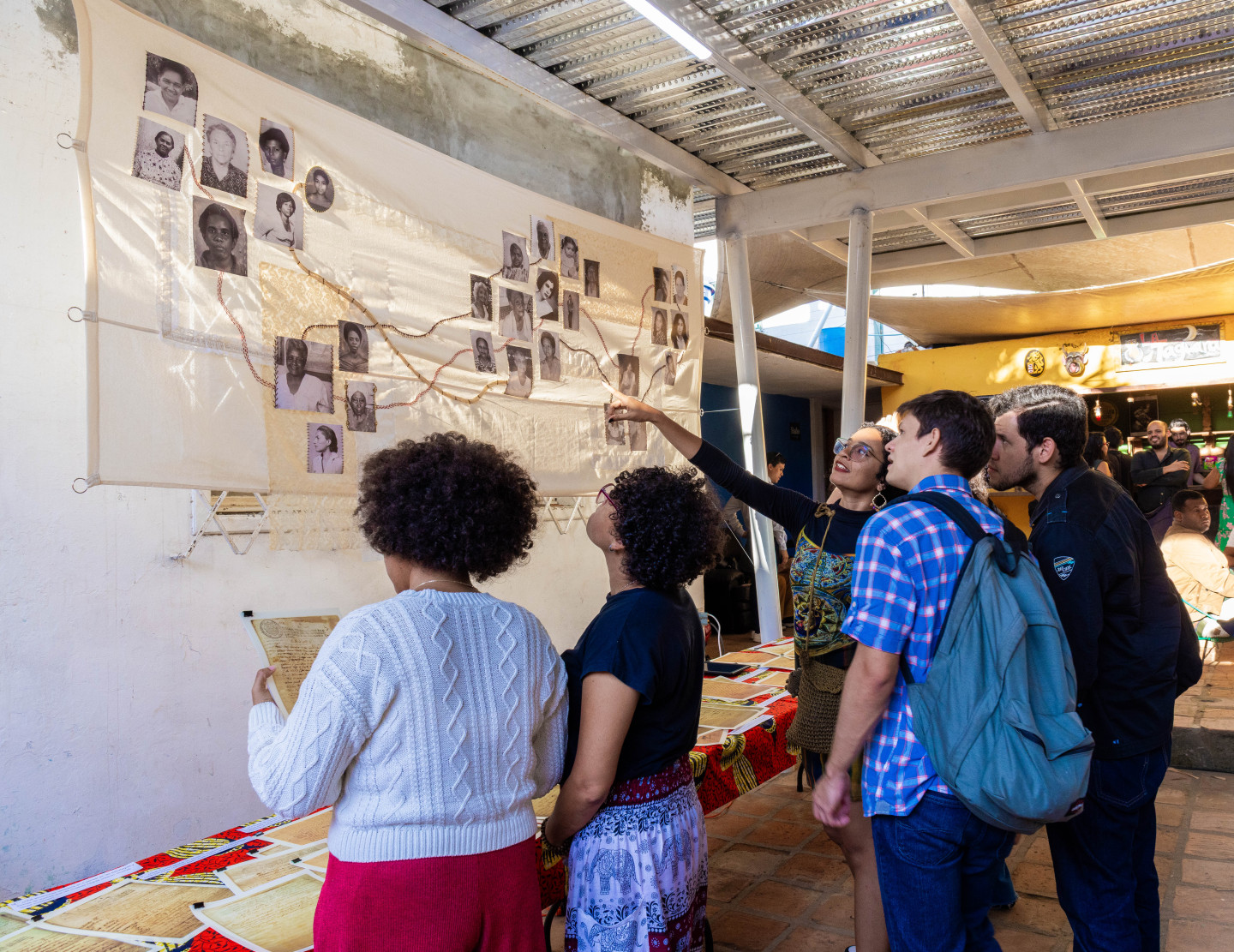
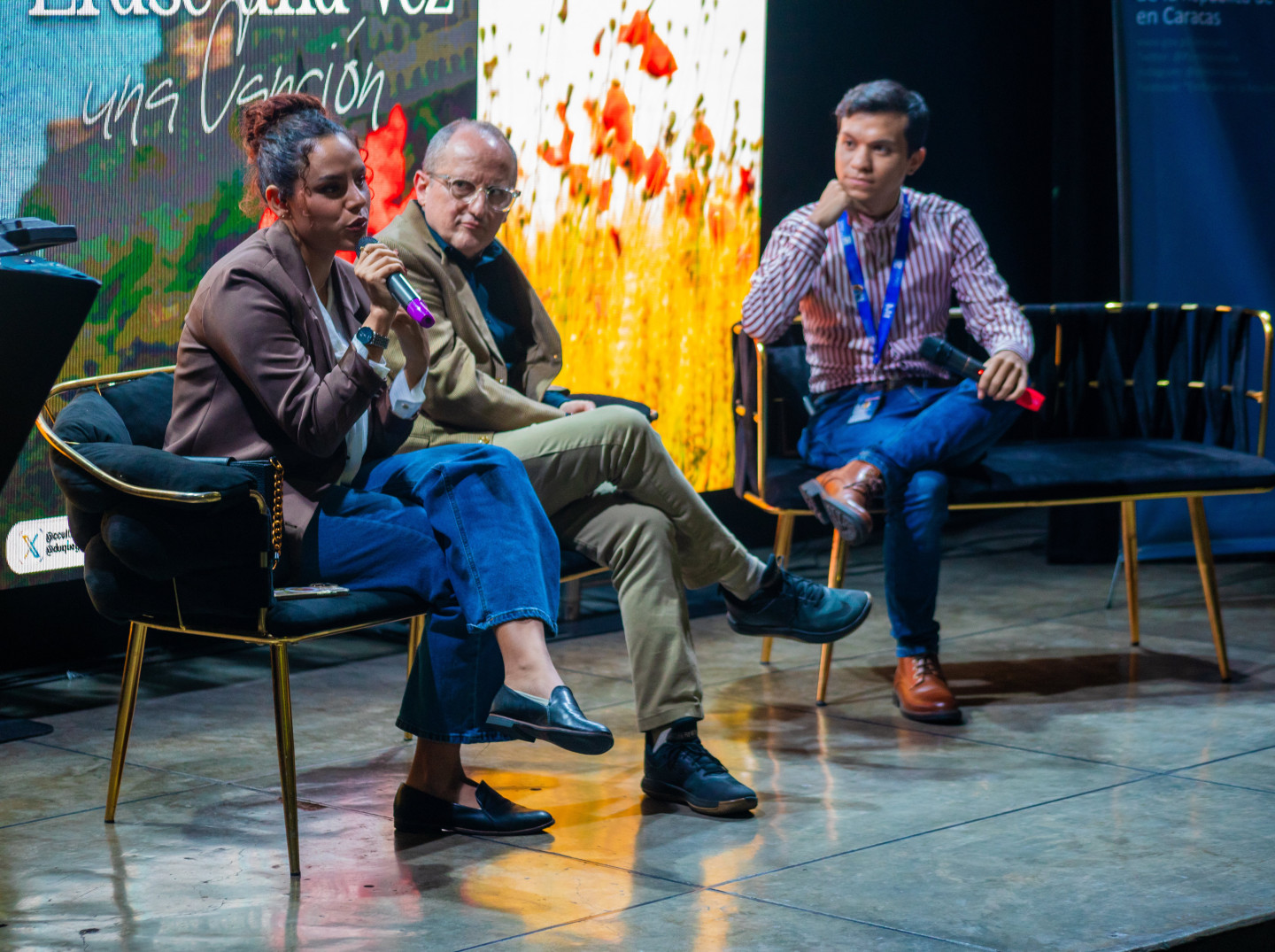
Throughout 2025, the project implemented a comprehensive programme of activities spanning academic, artistic, patrimonial and community-driven initiatives. In the first semester, participants explored the architectural archive of Jan Górecki and El Archivo through guided visits, engaged in a national call for artistic proposals “Author’s Record” (Registro de Autor), which selected three winning projects (El Cojo Ilustrado Digital, Memorias Danzadas: Voces Ancestrales de Mujeres Negras and A Teresa… Partituras de fuego) and participated in a working session on historical links between Venezuela and the Caribbean in Coro. Furthermore, P.I.S.T.A. hosted a three-day Seminar on Memory and Archives across three major cultural institutions in Caracas, further enriched knowledge exchange.
The project allowed us to deepen the educational and research aspects of Memorias Danzadas, highlighting the dialogue between archives and memory. Initiatives like this pave the way for cultural awareness and reparative actions between Europe and Latin America.
Meyby Ugueto Ponce Director of Memorias Danzadas
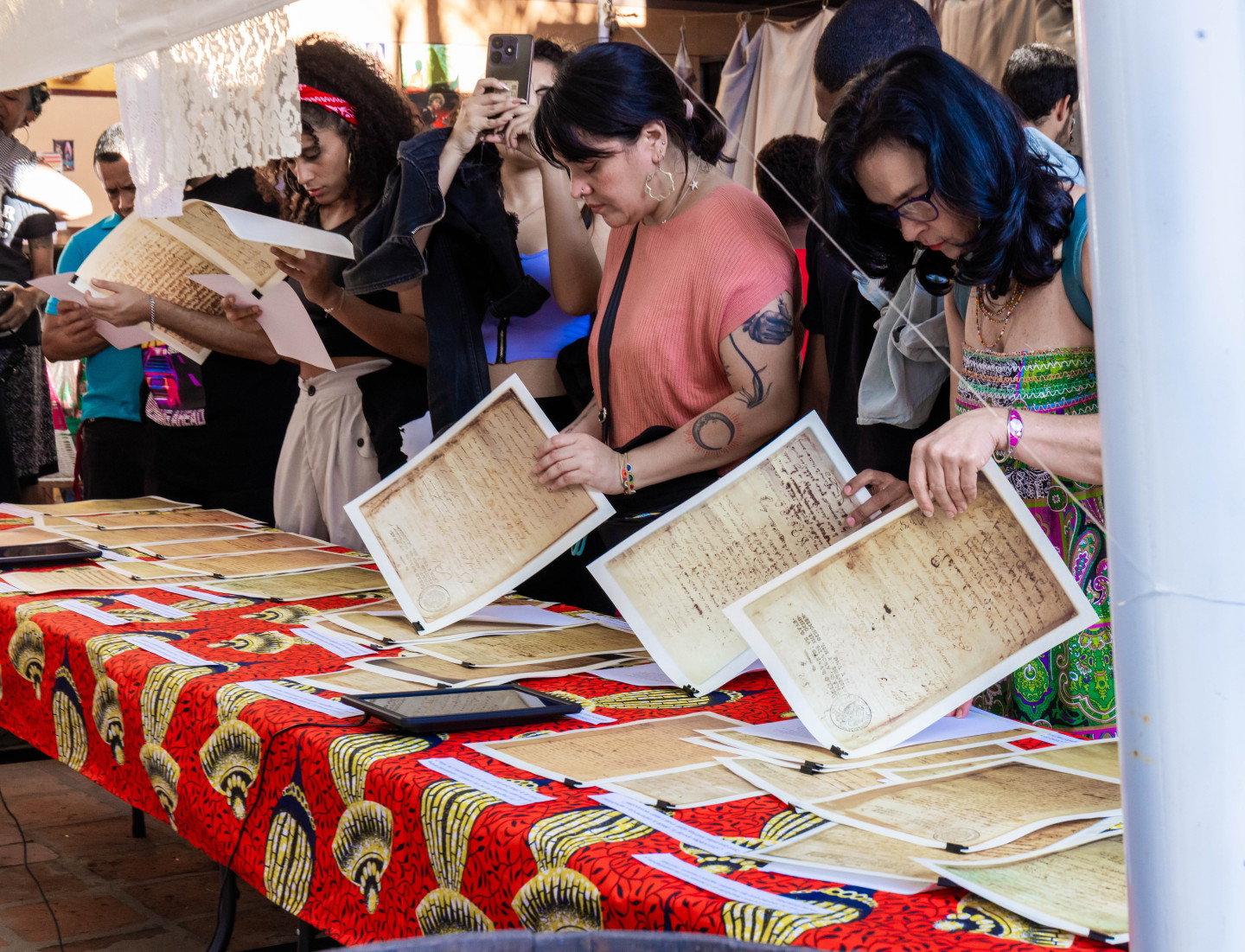
In the second semester, the project extended to new institutions and audiences. A working session on authors’ rights in archives was held in July, followed by visits to the John Boulton Foundation and a film forum in collaboration with the Chacao Cultural Centre and the Museum of the Second World War in Gdańsk. In September, the project hosted the public talk “The Welser Family in Maracaibo and Their Archival Evidence in Germany”, held at the CEVAZ Library in Maracaibo. October focused on audiovisual heritage and graphic arts through a technical visit to the Bolívar Films Archive and to El Banco del Libro, the workshop El Cojo Illustrator and the presentation of El Cojo Ilustrado Digital at the Universidad Católica Andrés Bello Cultural Centre.
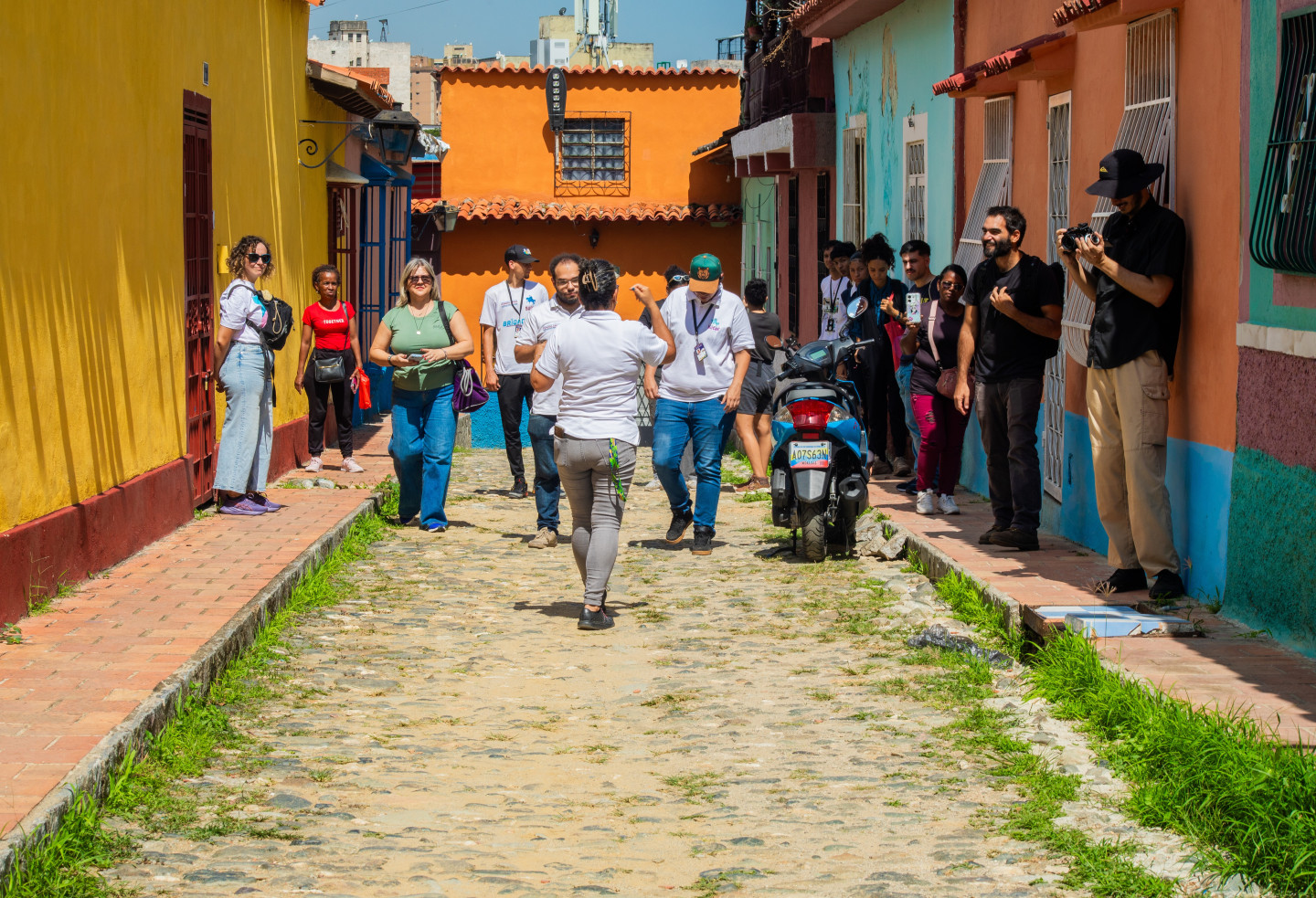
In November, community memory was activated through a workshop in Petare (Miranda), a performance-installation of Memorias Danzadas at Río Teatro Caribe and a participatory session in La Pastora (Caracas), recording testimonies, discussing local memory and creating graphic posters inspired by the Parque Tajamar. The programme concluded in December with "A Teresa… Partituras de fuego", an exhibition-performance at the Teresa Carreño Theatre based on the archive of Teresa Carreño.
Across both semesters, the project engaged more than 800 participants through visits, workshops, forums and performances, while generating three artistic works based on archival research. Community activities encouraged local memory-building, particularly in Petare and La Pastora. Participants highlighted the value of the programme, noting how it strengthened dialogue between archives, art and memory.
The project laid the groundwork for continued collaboration among cultural institutions, European partners and Venezuelan communities. Discussions are underway to expand community archives initiatives, strengthen digital preservation partnerships and support future artistic work based on archival practices. Its long-term impact lies in establishing a sustainable network for memory work, enhancing archival literacy, and promoting cultural exchange grounded in shared heritage.