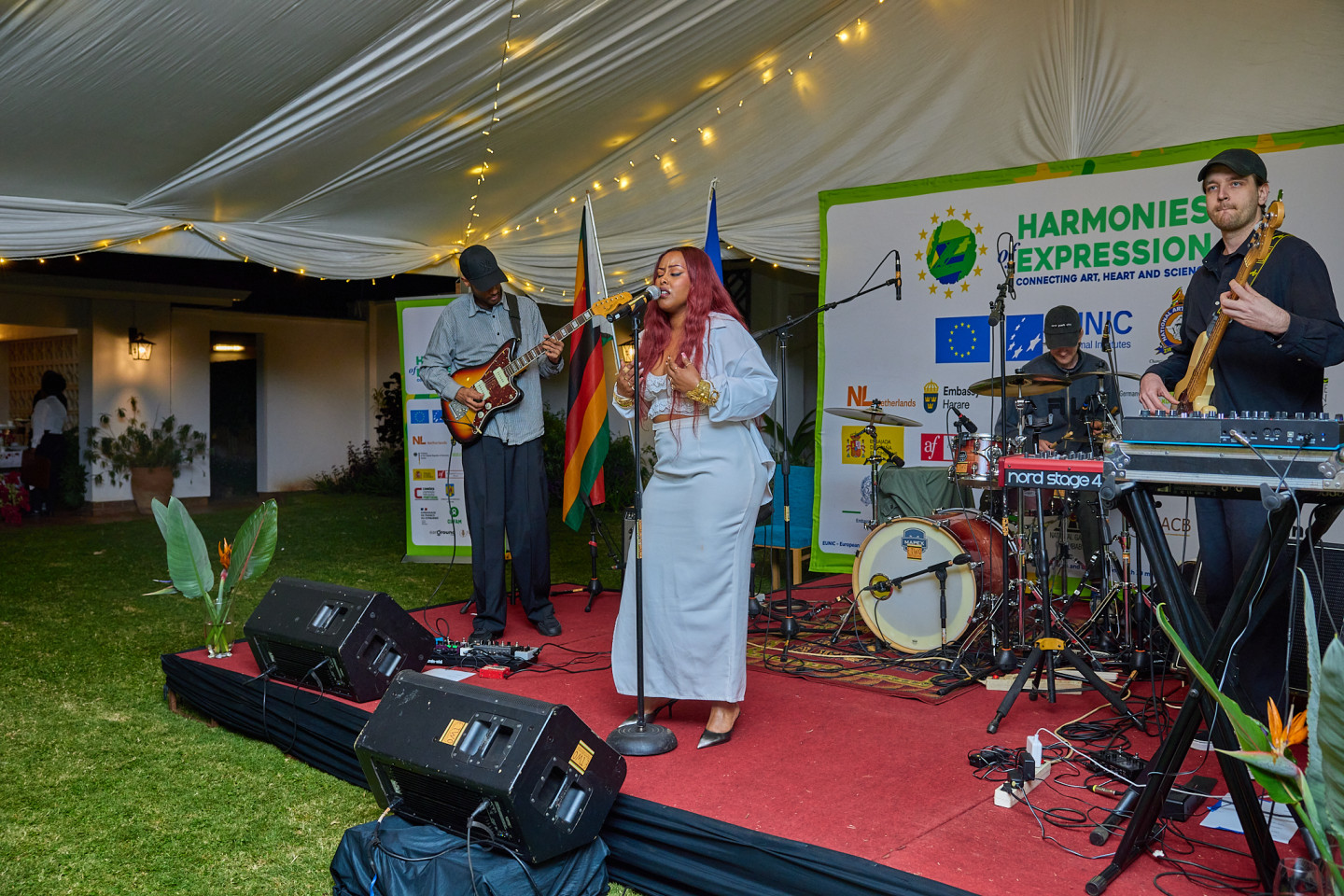
EUNIC Zimbabwe’s first ever cluster project Harmonies of Expression - Connecting Art, Heart, and Science is uniting European and Zimbabwean artists to explore new horizons for their art, equip young aspiring artists with skills and networks, while raising awareness about how art and culture can play a role in tackling the urgent global issue of climate change.
Zimbabwe features a rich and lively local cultural scene but a lack of resources and platforms bringing them under one umbrella often leaves the potential for new bold collaborations and ideas to flourish untapped. Meanwhile, local organizations are looking for new and creative ways to engage young people and to inspire participation on challenging issues, like climate change. Harmonies of Expression – Connecting Art, Heart and Science saw an opportunity and brought together the creativity of artists and cultural practitioners with expert organisations in an effort to join science with the arts – to open the mind to what co-creation makes possible!
The project has made a meaningful contribution to rural empowerment by blending environmental sustainability with artistic innovation. Through capacity-building, exposure, and dignified inclusion, rural artists have gained tools, networks, and visibility that will enhance their livelihoods and inspire others in their communities.
Yvonne Tshedu Buzvane, Coordinator at the National Association of Community Broadcasters of Zimbabwe
The purpose of the project was to have artists work together across cultural – and artistic - boundaries to address joint challenges, in this case climate change, and more particularly the severe drought situation that affected Zimbabwe last year – the worst in decades. Seven artistic collaborations thus took place – within music, food, fashion and photography - resulting in new kinds of art that not only shed new light on climate related challenges and opportunities, but also allowed the participating creators to broaden their artistic horizons through international exchange.
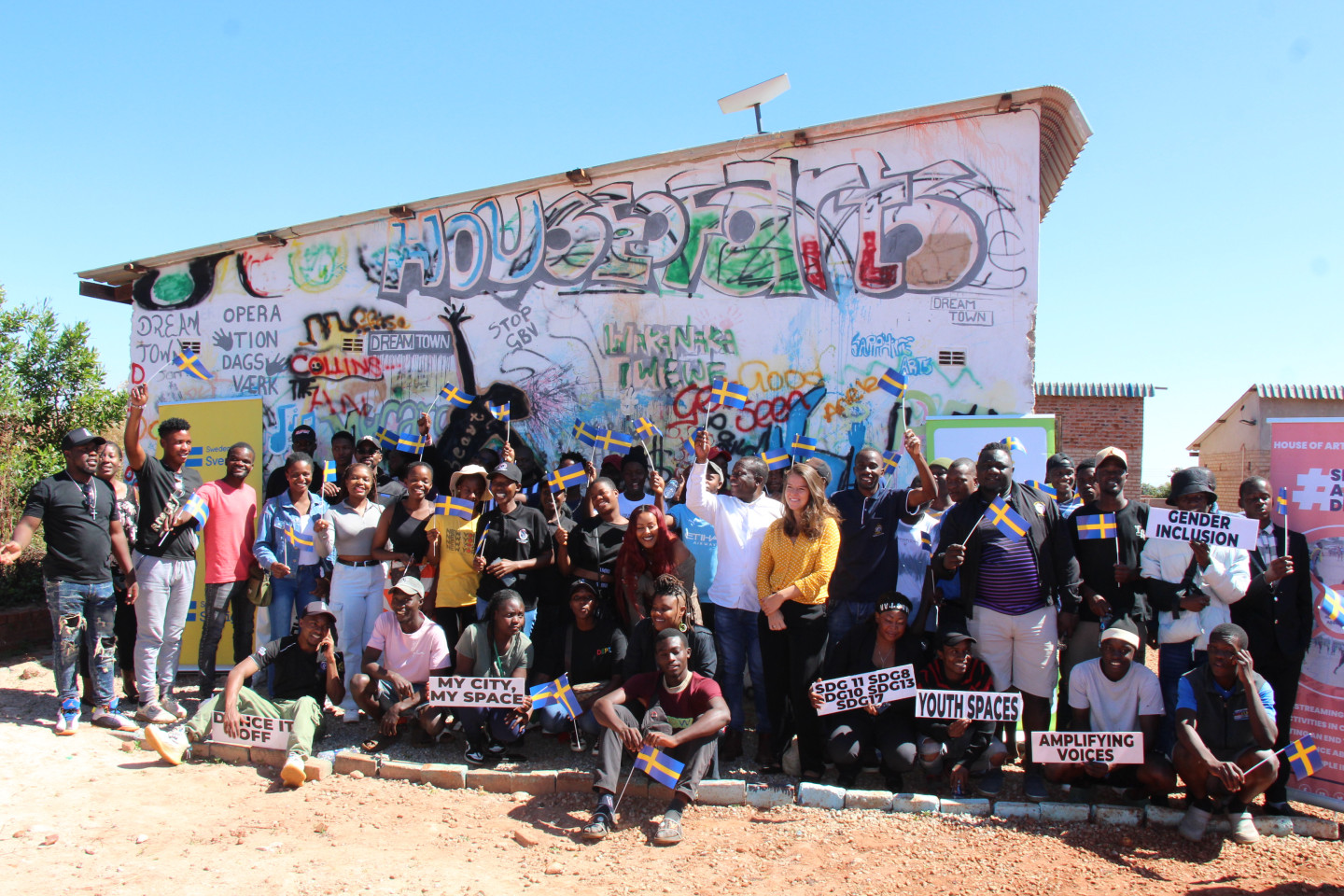
Another important objective of the project was to inspire young aspiring artists on their journeys and to give them opportunities to benefit from the artistic exchange, by involving them in the co-creation processes. This happened through a number of open workshops organised facilitated by the collaborating European and Zimbabwean artists:
- workshop with Swedish RnB star Cherrie and Zimbabwean Mbira artist Nasibo, young people with a particular interest in the music industry from across a variety of Harare’s suburbs received advice on how to make it as an independent musician;
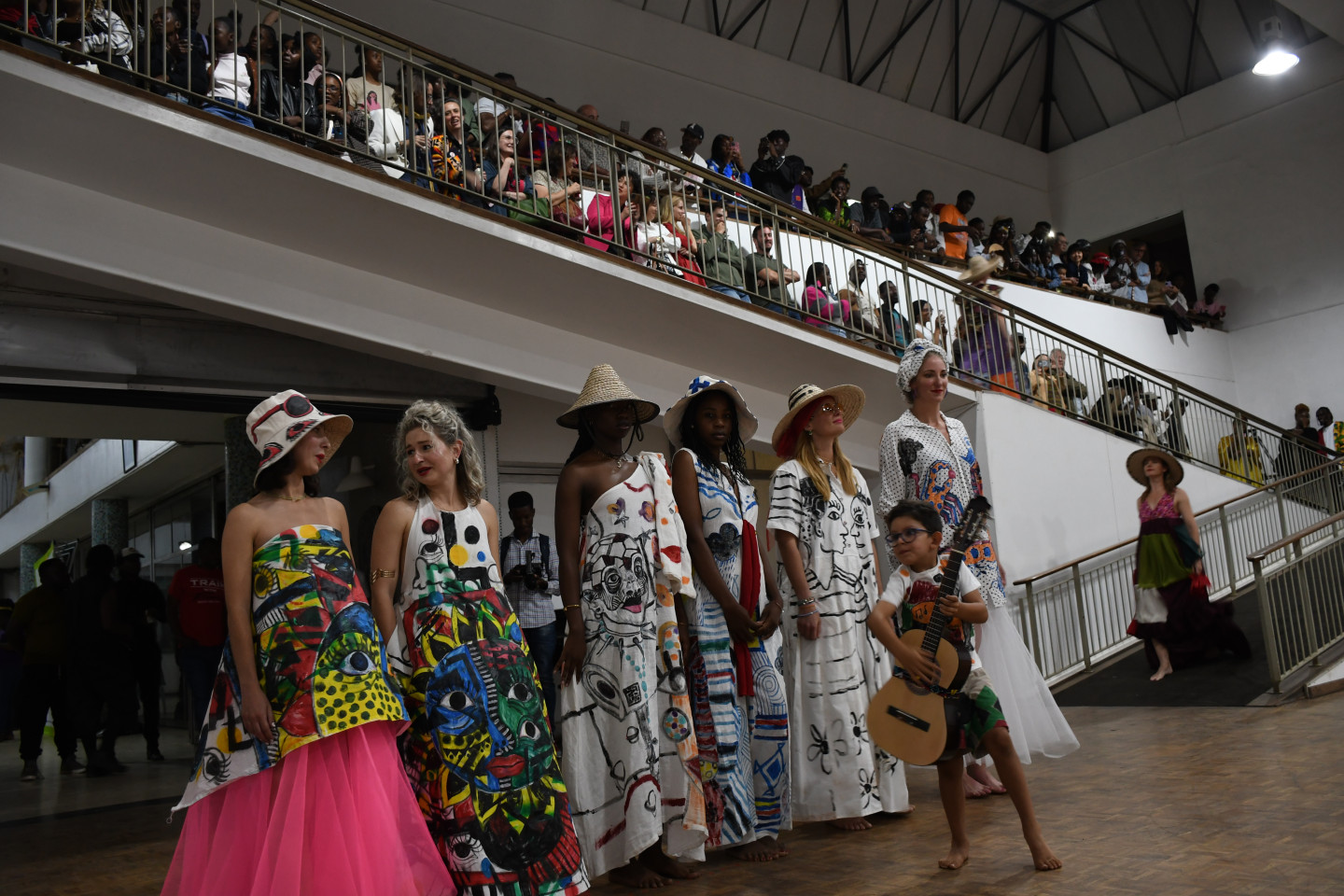
- workshop to introduce young participants to the art of recycling old materials for fashion;
- workshop on how to cook vegan food on a budget, and much more.
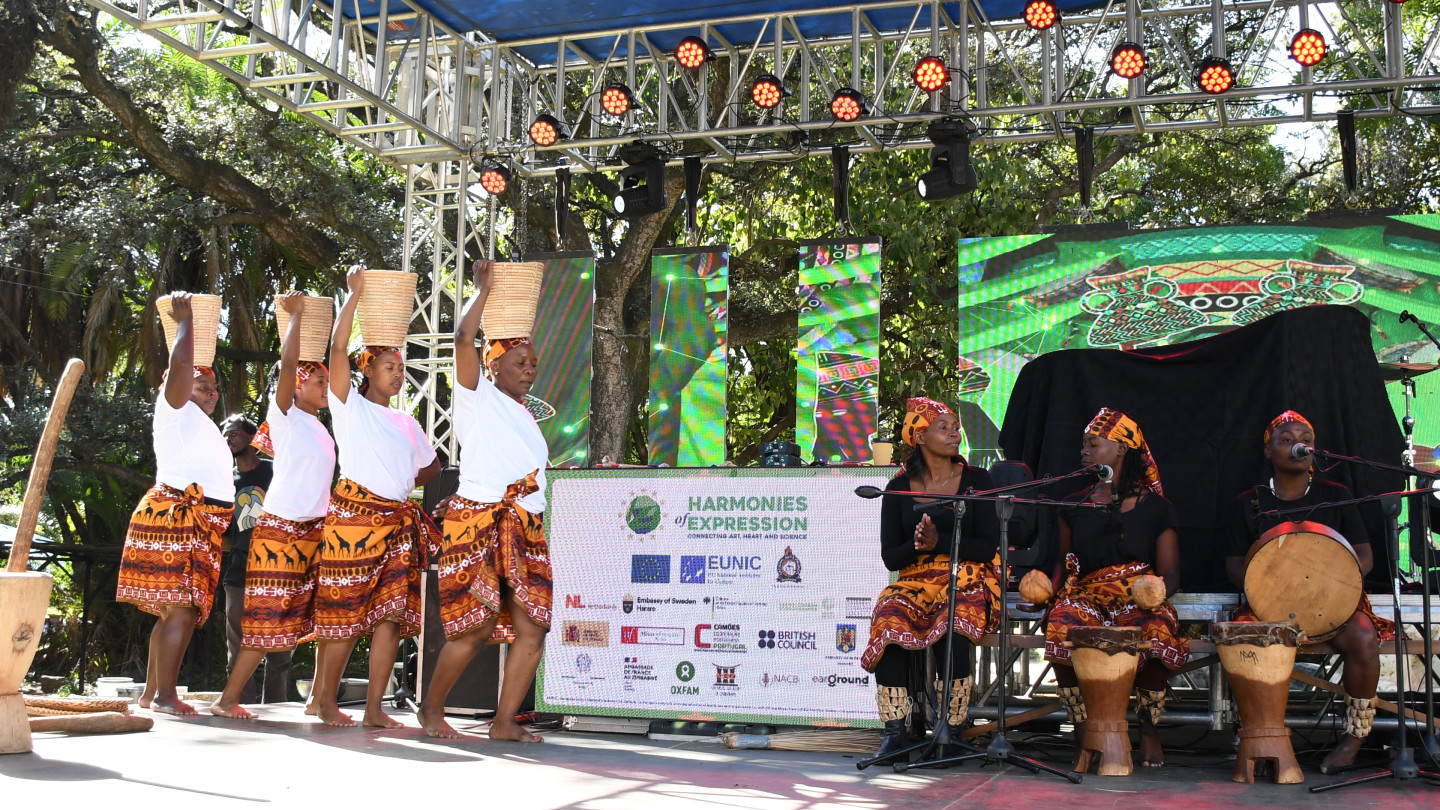
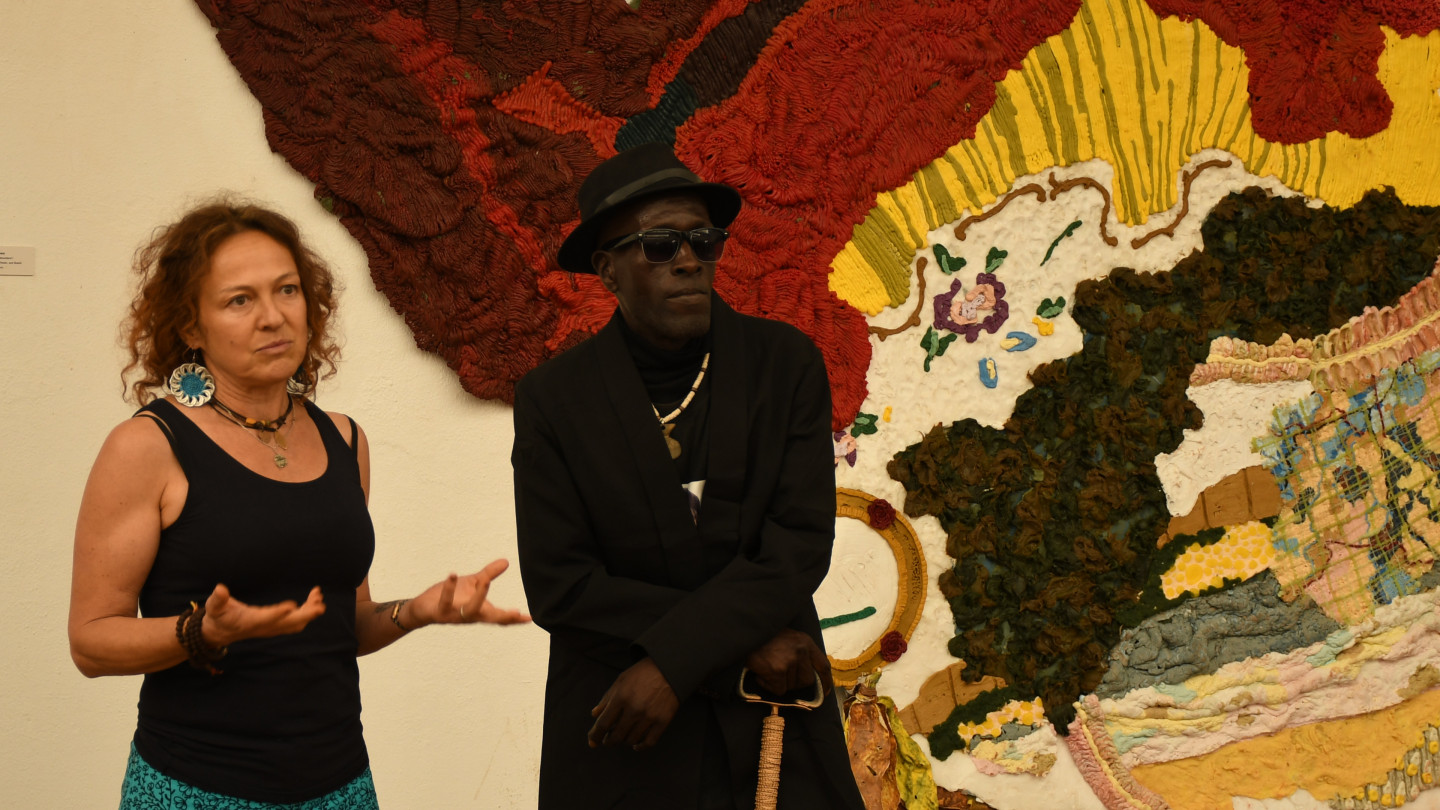
The Zimbabwean and European artists were matched based on their backgrounds and assessed probability to be able to co-create but also to create something unique. A chef was paired with a dance choreographer, for example, a DJ with a musical band and a photographer with an art installer. For a few weeks they came together and worked hard to develop their joint productions. The result was showcased at a one-day festival in Harare at the National Gallery of Zimbabwe with around 500 participants, turning that landmark venue into a sparkling bowl of creativity and networking.
The mix works well but it’s more our personalities, it starts with respect for each other’s craft, and for me to hear something I’ve never heard before, it’s just been amazing to get that opportunity. And female empowerment has been the theme of our project.
Cherrie, Swedish RnB star on her collaboration with Zimbabwean Mbira artist Nasibo
The Swedish Embassy led and coordinated the project. Individual EUNIC members were responsible for their artist and coordinating workshops involving their (European and Zimbabwean) artists. This created a high extent of co-ownership of both the process and of the final product. A hired project coordinator was key for the success of the project, as he possessed much valuable prior knowledge of the context and the relevant actors. The Cluster partnered with the National Gallery and the National Arts Council of Zimbabwe (NACZ) as well as media organisation earGround and National Association of Community broadcasters for better outreach to the target groups.
The Cluster’s vision going forward is to build on this platform to extend and improve the project. A next step is to extend the reach of the project beyond the capital, to further involve local artistic studios who are working with marginalised and underprivileged communities as well as to extend the workshop phase of the project. As for the long-term impact on Eruopean-Zimbabwean relations, the project uniquely united European countriesand has contributed to putting Europe on the map in Zimbabwe as a relevant cultural actor ready to engage.